Introduction to Aura Photography
Aura photography, a fascinating blend of art and science, captures the invisible energy fields believed to surround every living being. As we delve into this intriguing practice, we aim to uncover whether aura photography is a safe pursuit for those curious about exploring their energy fields. This article will provide you with a comprehensive understanding of the potential risks and benefits associated with this unique type of photography.
In the modern world, there’s an increasing interest in holistic health and alternative therapies. Aura photography falls into this expanding realm, often attracting individuals who seek deeper insights into their emotional and spiritual states. However, with this interest comes the responsibility to explore and understand the safety aspects involved in the process.
Through this article, I will guide you through the science behind aura photography, discuss its safety, and provide insights into both the advantages and common misconceptions surrounding it. By the end, you’ll be equipped to weigh the risks and benefits, making an informed decision on whether to engage with aura photography.
Understanding the Concept of Aura Photography
Aura photography is grounded in the belief that every living being emits an energy field, often referred to as an “aura.” This field is thought to reflect a person’s emotional, mental, and spiritual states. The concept itself has roots in various spiritual and metaphysical traditions, where practitioners claim to see and interpret these energy fields to gain insights into an individual’s inner world.
The process of capturing an aura typically involves the use of specialized cameras designed to visualize and interpret these energy fields. These cameras often employ biofeedback sensors that measure electromagnetic fields around the body, translating them into visual representations. These images are then interpreted by practitioners who provide insights based on the colors and patterns observed.
While the concept might sound mystical, it’s important to approach it with an open mind and a healthy level of skepticism. Understanding the mechanisms and interpretations involved can help demystify the process, allowing for a more grounded exploration of what aura photography can offer.
Scientific Context of Aura Photography
From a scientific standpoint, aura photography sits in a contentious space. Traditional science often views these practices with skepticism, due to the lack of concrete evidence supporting the existence of auras as they are described in metaphysical terms. However, the technology used in aura photography does have a basis in scientific principles, particularly in the measurement of electromagnetic fields.
Biofeedback sensors used in aura photography measure physiological parameters, such as skin temperature and galvanic skin response, which are then translated into colorful images. These measurements, while scientifically valid, do not directly correlate with the metaphysical auras that some practitioners claim to see.
Scientific investigations into aura photography are ongoing, with some researchers exploring its potential applications in areas like stress management and emotional health. While it may not yet hold a solid place in the scientific canon, the interest it garners suggests that there is more to explore and understand about the interaction between technology and human energy fields.
Is Aura Photography Safe? An Overview
When we consider the question, “Is aura photography safe?” it’s essential to examine both the physical and psychological aspects. Physically, the process involves minimal risk, as it typically requires standing or sitting in front of a camera equipped with sensors. There is no direct interaction with harmful substances or exposure to dangerous radiation.
Psychologically, the experience can vary significantly from person to person. For some, receiving an aura reading can be enlightening and beneficial, providing insights into personal growth and emotional well-being. However, for others, it may lead to anxiety or confusion, particularly if the reading suggests negative traits or issues.
Ultimately, safety in aura photography largely depends on the practitioner’s approach and the expectations set for the session. Ensuring that you engage with reputable practitioners who prioritize client well-being can significantly enhance the safety and positive outcomes of the experience.
Safety and Physical Risks Associated with Aura Photography
In terms of physical safety, aura photography presents minimal risks. The process does not involve any invasive procedures or exposure to harmful elements, making it generally safe for most individuals. The primary components of the process include sitting or standing still, while sensors capture your biofeedback data.
One potential physical consideration is the setting in which aura photography takes place. Sessions are usually conducted indoors, in a controlled environment. It’s essential that these spaces are comfortable and accessible to ensure a pleasant experience. Additionally, individuals with certain mobility issues should communicate their needs to the practitioner to ensure a safe session.
Beyond the physical environment, it’s crucial to ensure that the equipment used is well-maintained and sanitized, particularly if multiple clients are being photographed. Checking the hygiene standards and professionalism of the practitioners can provide further reassurance regarding the safety of the process.
What About Photographing Your Fingers? Insights and Considerations
Photographing fingers is an intriguing aspect of aura photography, often referred to as Kirlian photography. This method captures the energy emitted from fingers, using specialized equipment to visualize the electromagnetic field surrounding them. While this might sound unusual, it offers another layer of insight into a person’s energy.
The process typically involves placing fingers on a plate connected to a camera, which then captures the energy emissions. This method is non-invasive and considered safe, as it does not involve direct contact with any harmful materials or radiation. However, it’s important to ensure the equipment is clean and properly maintained to prevent any hygiene-related issues.
Consideration should also be given to the interpretation of these images. The patterns and colors observed can vary based on numerous factors, including emotional state and physical health. Understanding that these interpretations are subjective and should be taken as part of a broader exploration of self-awareness is crucial.
The Role of the Bio Well Camera in Human Energy Scans
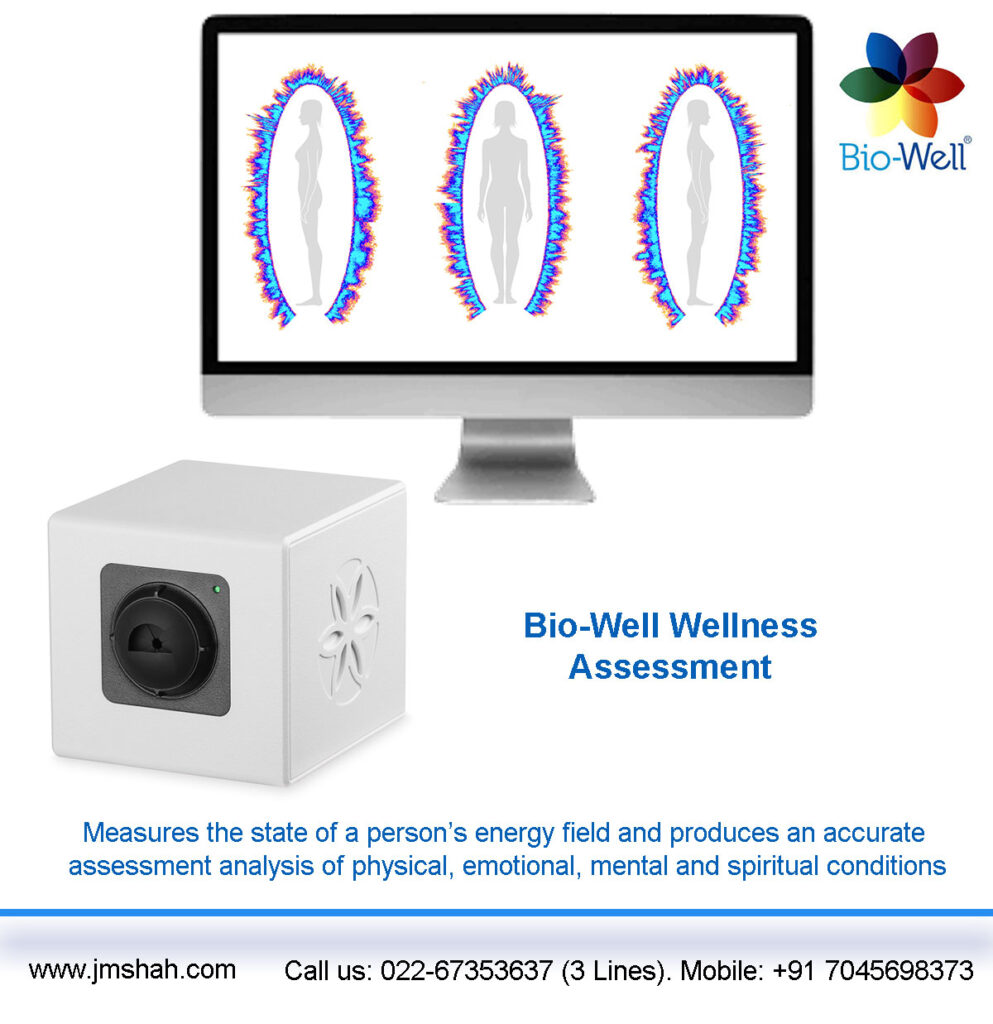
The Bio Well camera is a prominent tool used in aura photography, designed to conduct human energy scans by capturing the biofield surrounding an individual. This device utilizes a technology known as Gas Discharge Visualization (GDV), which measures the energy emitted by the body and translates it into visual representations.
By using the Bio Well camera, practitioners can provide detailed interpretations of an individual’s energy health. The images produced can indicate areas of stress, emotional blockages, or energetic imbalances, offering valuable insights for those interested in holistic well-being. This technology is often praised for its ability to provide real-time feedback on a person’s energetic state.
While the Bio Well camera is a powerful tool, it’s important to note that its interpretations should not replace professional medical advice. It serves as a complementary approach to understanding personal energy dynamics and should be used in conjunction with other wellness practices for optimal results.
Benefits of Aura Photography
Aura photography offers numerous benefits for those open to exploring their spiritual and emotional dimensions. One of its primary advantages is the potential for self-discovery. By visualizing your energy field, you gain insights into your emotional state and areas in need of attention or improvement.
Additionally, aura photography can serve as a tool for personal growth. Many individuals use their aura images as a starting point for exploring deeper aspects of their lives, such as relationships, career choices, and personal goals. This process encourages self-reflection and can lead to meaningful changes and enhanced well-being.
Furthermore, aura photography can be a fun and engaging way to connect with others. Sharing your aura images and interpretations can foster discussions and connections with like-minded individuals interested in energy healing and holistic practices. This community aspect can be both supportive and inspiring.
Common Misconceptions About Aura Photography
Despite its growing popularity, aura photography is often surrounded by misconceptions. One common myth is that the colors in an aura photograph directly correspond to specific personality traits or health conditions. While colors can offer insights, they are not definitive indicators of one’s character or health.
Another misconception is that aura photography can diagnose medical conditions. While these images can reveal energetic imbalances, they should not be used as a substitute for medical diagnosis or treatment. It’s crucial to approach aura photography as a complementary tool, rather than a medical solution.
Lastly, some believe that aura photography is purely pseudoscience. While it does lack extensive scientific validation, the technology used to capture these images is based on legitimate biofeedback principles. Understanding that the practice is a blend of art, science, and spirituality can provide a more balanced perspective.
FAQs
What is aura photography?
Aura photography is a practice that captures the energy fields surrounding individuals, often using specialized cameras and biofeedback sensors to create visual representations.
Is aura photography scientifically proven?
While the technology used in aura photography is based on scientific principles, the interpretations of auras as metaphysical entities lack substantial scientific evidence.
Are there any health risks associated with aura photography?
Aura photography is largely considered safe, with minimal physical risks involved. It does not involve invasive procedures or exposure to harmful substances.
Can aura photography diagnose medical conditions?
No, aura photography should not be used for medical diagnoses. It can indicate energetic imbalances but should be complemented with professional medical advice.
How can I find a reputable aura photographer?
Look for practitioners with positive reviews, appropriate credentials, and a professional approach. Ensure they prioritize client well-being and maintain high hygiene standards.
Conclusion: Weighing the Risks and Benefits
As we conclude this exploration into aura photography, it’s clear that while the practice is largely safe, it requires careful consideration and an open, yet discerning mind. The primary question, “Is aura photography safe?” can be answered affirmatively when approached with the right mindset and precautions.
Aura photography offers a unique opportunity for self-discovery and personal growth, providing insights into our emotional and spiritual dimensions. However, it’s essential to approach it as a complementary practice, rather than a standalone solution for health or psychological challenges.
If you are intrigued by the possibilities of aura photography, I encourage you to explore it with curiosity and caution. Engage with reputable practitioners, embrace the insights offered, and use the experience as a stepping stone for deeper self-awareness and holistic well-being.
Ready to explore your energy field through aura photography? Connect with experienced practitioners and discover the insights waiting for you today!

Maxsdigit SEO Company and Digital Marketing Agency, Mumbai, India