Introduction to Aura Photography
In recent years, aura photography has captured the interest of many who are curious about the unseen energies that surround all living beings. This intriguing form of photography claims to capture the colors and patterns of one’s aura—an energy field thought to emanate from every individual. While some dismiss it as pseudoscience, others are fascinated by the insights it might provide into our emotional and physical states.
Aura photography allows us to visualize something typically invisible to the naked eye, often sparking curiosity and wonder. People are drawn to it for various reasons, whether it be spiritual exploration, personal insight, or simply the novelty of seeing one’s aura. As we explore the depths of aura photography, we will discuss its techniques, scientific backgrounds, and the interpretations of the photographs it produces.
In this article, we will delve into the essence of aura photography, examining the tools and methods used to capture these ethereal images and the potential benefits they offer. Join us on a journey through this captivating subject, where we will uncover the mysteries and applications of aura photography.
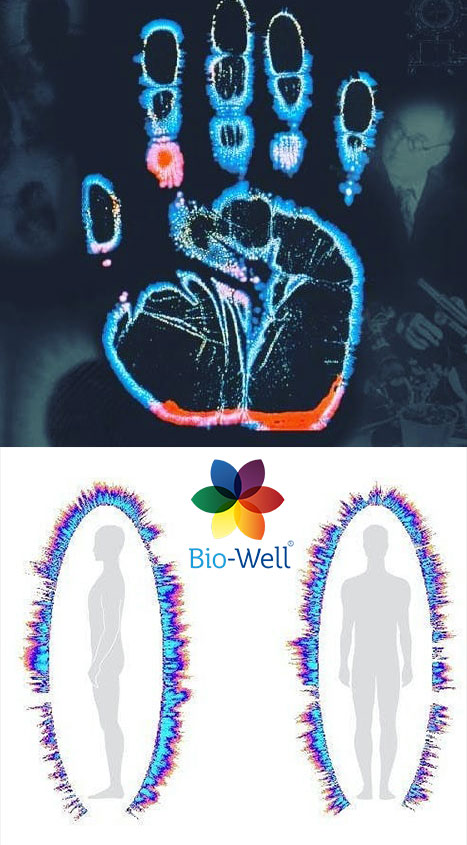
Types of Aura Photography:
- Kirlian Photography: The original method, named after Semyon Kirlian, who discovered that when an object is placed on a photographic plate and exposed to high-frequency electrical fields, it creates an image of electrical discharges (called corona discharge) around the object. This phenomenon was later linked to the aura.
- Biofeedback Aura Photography: More modern systems use biofeedback sensors and software to create the aura image. This method interprets a person’s physiological responses, like skin conductivity, heart rate, or breath, to generate an aura image.
While aura photography is often seen as part of holistic or spiritual practices, it’s important to note that there is no scientific evidence supporting the idea that a photograph can accurately capture an individual’s aura or energy field. However, it remains popular in alternative health circles and among those interested in the metaphysical.
What is the Aura Photography Technique?
Aura photography utilizes specialized equipment to capture the energy field, or aura, that surrounds a person. Unlike traditional photography, which focuses on capturing physical appearances, aura photography aims to depict the unseen energy that some believe reflects one’s emotional, mental, and spiritual states. The primary keyword for this article, “What is the aura photography technique,” ties into understanding how this unique process works.
The technique involves the use of cameras equipped with sensors or biofeedback systems that measure electromagnetic fields emanating from the body. These readings are then translated into colors, which are thought to represent different aspects of a person’s aura. Each color holds specific meanings, potentially offering insights into one’s current emotional or physical state.
While the concept might seem abstract, the aura photography technique has gained popularity among those interested in holistic healing, spirituality, and self-discovery. It offers a way to visualize and interpret the energies we emit, providing a deeper understanding of ourselves and our interactions with the world around us.
The Science Behind Aura Photography
While aura photography is often associated with spiritual practices, there is a scientific component that deserves attention. The science behind aura photography involves measuring electromagnetic fields and interpreting them through the lens of color psychology and energy healing. Although scientific validation is limited, these concepts have been explored by researchers interested in bioenergetics and human physiology.
The cameras used in aura photography typically incorporate sensors that detect changes in static electricity or electromagnetic fields around the body. These sensors are sensitive to variations that might correlate with physical or emotional states. Once detected, the data is processed to produce a visual representation of the aura, often in vibrant colors.
It’s important to note that the scientific community remains skeptical about the claims made by aura photography proponents. While the technology can measure electromagnetic fields, the interpretation of these fields as auras is still debated. Regardless, many find value in the practice for its potential to offer insight and foster personal growth.
How Do You Do Aura Photography with a Bio Well Camera?
If you’re interested in experiencing aura photography firsthand, you may wonder, “How do you do aura photography with a Bio Well Camera?” The Bio Well Camera is one of the popular devices used for such purposes, designed to offer an accessible way to capture and analyze human energy fields.
To begin using a Bio Well Camera, you’ll need to follow these steps:
- Set Up the Equipment: Connect the Bio Well Camera to a computer or compatible device. Ensure that the software required for capturing and analyzing images is installed and ready to use.
- Capture the Image: Place your fingers on the camera’s sensor plate. The Bio Well Camera will measure the electromagnetic emissions from your fingertips, producing a digital representation of your aura.
- Analyze the Results: The software processes the captured data and generates an image of your aura, showcasing various colors and patterns. Each color is believed to correspond to different aspects of your emotional, physical, or spiritual state.
Using a Bio Well Camera can be an enlightening experience, offering a glimpse into the unseen energies that surround you. Whether you’re a skeptic or a believer, trying aura photography can be a fascinating way to explore the intersection of technology and spirituality.
Interpreting Aura Photographs
Once you have your aura photograph, the next step is interpreting the meaning behind the colors and patterns. Understanding these elements can provide insights into your emotional and physical wellbeing, although interpretations may vary depending on the practitioner or belief system you follow.
How Aura Photography Works (in Practice)
Most modern aura photography systems—such as Kirlian photography or commercial devices like the AuraCam—use a combination of biofeedback sensors and digital imaging to produce colorful images interpreted as a person’s aura. Here’s a general overview:
- Biofeedback Sensors: The subject places their hands on metal plates or sensors that measure physiological data such as:
- Galvanic skin response (GSR)
- Skin temperature
- Heart rate variability
- Electrical conductivity
- Data Interpretation: The device interprets this biometric data using proprietary algorithms. These algorithms assign colors based on the readings—often linking certain colors to emotional or energetic states (e.g., blue for calmness, red for passion or stress).
- Image Overlay: A standard photograph of the person is taken, and the assigned “aura” colors are digitally superimposed around their body or head in the final image.
Interpreting aura photographs is not an exact science, and much of the understanding comes from personal reflection and context. It is essential to approach these interpretations with an open mind and consider them as tools for self-discovery rather than definitive assessments.
Benefits of Aura Photography
Aura photography offers several potential benefits, both for personal exploration and therapeutic purposes. By visualizing the energies we emit, individuals can gain insights into their emotional and physical states, leading to a more holistic understanding of oneself.
Self-Reflection and Awareness: Viewing an aura photograph allows for introspection, prompting individuals to consider how their current emotions or experiences might influence their energy field. This reflection can foster greater self-awareness and encourage personal growth.
Complementary Therapy: While not a substitute for medical treatment, aura photography can complement other holistic practices such as meditation, energy healing, or counseling. It may help individuals identify areas of imbalance or stress, guiding them toward practices that promote healing and well-being.
Communication and Connection: Sharing aura photographs with others can facilitate deeper conversations about emotions, life experiences, and personal growth. It serves as a visual tool to express feelings and foster connections with others on a more profound level.
While the benefits of aura photography may be subjective, many find value and meaning in the practice. It offers an opportunity to explore the unseen aspects of our being, enhancing our understanding of ourselves and our relationships with others.
Kirlian Photography (Historical Context)
- Developed in 1939 by Semyon Kirlian, this method involves placing an object (like a fingertip or leaf) on a photographic plate connected to a high-voltage, high-frequency electrical source.
- The resulting image shows a glowing corona discharge around the object.
- While visually striking, this glow is a well-understood electrophysical phenomenon (corona discharge) caused by ionization of the air around the object—not a mystical energy field.
- Moisture, pressure, and voltage significantly affect the image, which explains why living tissue (which contains water and salts) produces more dramatic results.
Aura Photography vs. Traditional Photography
At first glance, aura photography and traditional photography might seem worlds apart. However, both forms of photography aim to capture and convey unique perspectives. Understanding the differences between the two can highlight the distinct role that aura photography plays in visual arts and personal exploration.
Purpose and Focus: Traditional photography focuses on capturing physical appearances, moments, and landscapes with precision and clarity. In contrast, aura photography seeks to visualize the intangible energy fields surrounding individuals, offering insights into their emotional and spiritual states.
Technique and Equipment: Traditional photography relies on cameras and lenses to capture light and detail, while aura photography employs specialized devices, such as Bio Well Cameras, to detect and interpret electromagnetic fields. The techniques used in aura photography require a different set of skills and understanding of bioenergetic concepts.
Interpretation and Meaning: Traditional photographs often evoke emotions and tell stories through visual imagery, while aura photographs require interpretation of colors and patterns to glean meaning. The latter involves a more introspective process, encouraging viewers to reflect on the deeper aspects of themselves.
Both aura and traditional photography offer valuable perspectives, enriching our understanding of the visible and invisible worlds. By appreciating the uniqueness of each, we can expand our appreciation for the art of capturing life’s multifaceted beauty.
Common Myths About Aura Photography
Despite its growing popularity, aura photography is surrounded by myths and misconceptions. Addressing these myths can provide clarity and promote a more informed understanding of the practice.
Myth 1: Aura Photography Predicts the Future: Some believe that aura photographs can predict future events or outcomes. However, aura photography is more about capturing the present energy state of an individual, rather than forecasting future events. It is a tool for self-reflection, not fortune-telling.
Myth 2: Only Psychics Can Interpret Auras: While experienced practitioners may offer valuable interpretations, anyone can learn to understand and reflect on their aura photograph. Many resources and guides are available to help individuals interpret the colors and patterns they see.
Myth 3: Aura Photography is a Scam: Skepticism often surrounds practices that involve unseen energies. While scientific validation is limited, many find personal value in aura photography for its insights and potential for growth. It’s important to approach the practice with an open mind and consider it one of many tools for self-exploration.
By debunking these myths, we can foster a more balanced perspective on aura photography, appreciating it as a unique and insightful practice.
Popular Uses of Aura Photography
Aura photography has found its place in various fields, from spiritual practices to personal development and beyond. Here are some popular uses that highlight its versatility:
1. Spiritual and Holistic Practices: Many spiritual communities incorporate aura photography as a tool for understanding and enhancing one’s spiritual journey. It is often used alongside practices such as meditation, reiki, and chakra balancing.
2. Personal Development: Individuals seeking self-improvement may use aura photography to gain insights into their emotional and physical states. By reflecting on their aura photographs, they can identify areas for growth and healing.
3. Art and Creativity: Some artists and photographers use aura photography as a creative medium, exploring the interplay of colors and energy in their work. It offers a unique way to express abstract concepts and emotions.
4. Corporate Wellness Programs: Businesses and organizations may incorporate aura photography into wellness programs, promoting employee well-being and fostering a positive work environment. It can encourage employees to reflect on their energy and engage in practices that enhance their overall health.
The diverse applications of aura photography demonstrate its potential to enrich various aspects of life, from personal exploration to community building and creative expression.
Conclusion: The Future of Aura Photography
As we look to the future, aura photography is likely to continue evolving, driven by advancements in technology and growing interest in holistic wellness. The field may see developments in equipment and techniques, offering more precise and insightful analyses of human energy fields.
While scientific validation remains a challenge, the increasing popularity of aura photography suggests a continued interest in exploring the connections between mind, body, and spirit. As more individuals seek alternative ways to understand themselves and their interactions with the world, aura photography may play a significant role in this journey.
For those curious about experiencing aura photography, consider trying it for yourself and exploring the insights it may offer. Whether you’re a skeptic or a believer, this unique practice invites you to reflect on the unseen energies that shape your existence and enrich your life.
Call to Action: Ready to explore the unseen energy within you? Consider booking an aura photography session to gain insights into your emotional and physical well-being. Discover how the colors of your aura can guide you on your path to self-discovery and personal growth. Join the conversation and share your experiences with aura photography in the comments below. Let’s explore the mysteries of our energy fields together!