What is Electrophotonic Imaging?
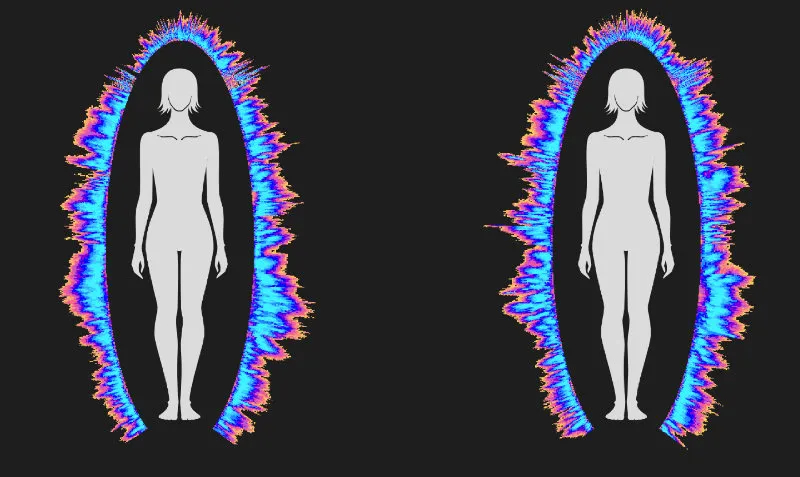
Electrophotonic Imaging (EPI) is an advanced imaging technique that captures the energy fields surrounding biological and non-biological objects. It is rooted in the principles of bioelectrography, where light emissions from objects are photographed. This method is often used to visualize the biofield, or the energetic field, of living organisms. The primary objective of EPI is to provide insights into the physiological and emotional state of a subject by examining the energy patterns emitted.
The process involves using a special camera and software that records the photon emissions from a subject. These emissions are often invisible to the naked eye, and EPI makes them visible by capturing the light created when an object interacts with an electric field. The resulting images are then analyzed to assess various health and wellness indicators. EPI is non-invasive and can be applied to both humans and other biological entities, such as plants.
Widely used in holistic health and wellness, EPI has gained attention for its potential in medical diagnostics, psychological research, and even environmental studies. By understanding what electrophotonic imaging is, we can appreciate its unique ability to provide a window into the complex interactions between organisms and their environments.
The Science Behind Electrophotonic Imaging
The science of electrophotonic imaging is grounded in the principles of Kirlian photography and bioelectrography. It involves the use of a high-frequency electric field to excite the photon emissions from an object. When an object is placed on a special plate, an electric charge is applied, causing a surrounding gas to ionize and emit light. This light is captured by the imaging system, producing an electrophotonic image.
Several factors influence the quality and interpretation of these images, including the object’s conductivity, moisture content, and temperature. The emitted photons are thought to reflect the biofield’s energetic state, which correlates with the organism’s physiological and psychological condition. Researchers use these images to analyze patterns and variations, aiming to establish connections between energy emissions and specific health outcomes.
Furthermore, the technology behind EPI is continually evolving. Advances in software algorithms and imaging hardware have enhanced the resolution and accuracy of these images, allowing for more detailed analysis. Scientists are actively exploring ways to standardize imaging protocols and improve the reproducibility of results, which is crucial for the broader acceptance of EPI in scientific communities.
Applications of Electrophotonic Imaging in Various Industries
Electrophotonic imaging has found applications across a myriad of industries, each benefiting from its unique insights into energy fields. In the medical field, EPI is used for early detection of diseases, stress analysis, and monitoring the effectiveness of treatments. By visualizing energy imbalances, healthcare professionals can gain a deeper understanding of a patient’s condition and tailor interventions accordingly.
In agriculture, EPI helps assess plant health and growth patterns by analyzing their energy emissions. Farmers and researchers can use this technology to optimize crop yields, detect plant stress, and develop more sustainable agricultural practices. The ability to non-invasively monitor plant health offers a significant advantage in ensuring food security and environmental sustainability.
The sports industry also leverages EPI to enhance athletic performance. By analyzing an athlete’s energy field, coaches and trainers can detect signs of fatigue, stress, or injury, allowing for timely interventions. Additionally, EPI is utilized in psychological research to study emotional states and stress levels, providing a non-verbal and objective measure of mental health.
Benefits of Electrophotonic Imaging
One of the foremost benefits of electrophotonic imaging is its non-invasive nature. Unlike traditional diagnostic methods that may require intrusive procedures or exposure to radiation, EPI captures energy emissions without direct contact. This makes it a safer alternative, particularly for ongoing monitoring and assessments.
The holistic approach of EPI is another significant advantage. By examining the energy fields, practitioners can gain a comprehensive view of an individual’s physical, emotional, and spiritual well-being. This integrative perspective is particularly valuable in complementary and alternative medicine, where the focus is on treating the whole person rather than isolated symptoms.
Furthermore, EPI offers rapid results and ease of use. The imaging process is quick, typically taking only a few minutes, and the results can be analyzed immediately. This efficiency makes it ideal for use in clinical settings, research environments, and even at-home wellness assessments. As technology advances, EPI systems are becoming more accessible and user-friendly, broadening their potential applications.
Understanding the Technology: How Electrophotonic Imaging Works
The working principle of electrophotonic imaging is based on the interaction between an object and an electric field. The core components of an EPI system include a specialized camera, an electric field generator, and imaging software. The subject is placed on a dielectric plate, and a high-frequency electric field is applied. This field causes electrons to be emitted from the surface of the object, which then collide with surrounding gas molecules, resulting in light emissions.
These light emissions are captured by a CCD (charge-coupled device) camera, which converts the light into digital images. The software then processes these images to highlight patterns and variations in the energy field. By analyzing these patterns, researchers can infer information about the subject’s physiological and psychological state.
The precision of EPI technology lies in its ability to detect minute changes in energy emissions. Advanced image processing techniques allow for the quantification of these emissions, providing a detailed analysis that can be correlated with health indicators. As research in this field progresses, the accuracy and reliability of EPI continue to improve, paving the way for its integration into mainstream diagnostics.
Electrophotonic Imaging vs. Traditional Imaging Techniques
Electrophotonic imaging offers several distinct advantages over traditional imaging techniques. Unlike conventional methods such as X-rays, MRI, or CT scans, EPI does not require any type of ionizing radiation, making it a safer alternative for repeated use. This is particularly beneficial for patients who require frequent monitoring, such as those with chronic health conditions.
Moreover, EPI provides real-time feedback, allowing for immediate assessment and intervention. Traditional imaging methods often involve longer processing times and require interpretation by specialists. In contrast, EPI can be performed quickly, with results available almost instantaneously, enabling more dynamic health management.
Another key difference is the holistic perspective that EPI provides. While traditional imaging focuses on anatomical structures, EPI emphasizes the energetic and functional aspects of health. This approach aligns with integrative healthcare practices, where the emphasis is on understanding the interconnectedness of body, mind, and spirit. This holistic viewpoint is increasingly recognized as essential in achieving optimal health and well-being.
Future Trends in Electrophotonic Imaging
The future of electrophotonic imaging looks promising, with several emerging trends poised to enhance its capabilities and applications. One significant trend is the integration of artificial intelligence and machine learning into EPI technology. These advancements allow for more sophisticated image analysis, pattern recognition, and predictive modeling, enhancing the accuracy and diagnostic potential of EPI.
Another trend is the miniaturization and portability of EPI devices. As technology evolves, EPI systems are becoming more compact and accessible, making them suitable for use in diverse settings, from remote clinics to personal wellness assessments at home. This portability expands the reach of EPI, allowing for broader adoption and application.
Additionally, there is a growing interest in the standardization of EPI protocols and practices. Establishing uniform guidelines for image acquisition and analysis will enhance the reliability and reproducibility of EPI results, facilitating its acceptance in the scientific and medical communities. As research continues to validate the efficacy of EPI, we can expect to see its integration into more mainstream healthcare practices.
Case Studies: Successful Implementations of Electrophotonic Imaging
Several case studies highlight the successful implementation of electrophotonic imaging across various domains. In one notable example, a healthcare facility used EPI to monitor patients undergoing stress management programs. By assessing energy field changes, practitioners could tailor interventions to individual needs, resulting in improved patient outcomes and satisfaction.
In agriculture, a research team employed EPI to study the effects of different fertilizers on plant growth. The energy emissions captured through EPI provided insights into the plants’ health and stress levels, enabling researchers to identify the most effective fertilization strategies. This application not only optimized crop yields but also contributed to more sustainable farming practices.
In the realm of sports, a professional athlete used EPI to enhance training and recovery processes. By tracking energy field changes before and after workouts, the athlete’s trainers could devise personalized training regimens that minimized fatigue and injury risk. This case underscores the potential of EPI to revolutionize athletic performance optimization.
Challenges and Limitations of Electrophotonic Imaging
Despite its numerous advantages, electrophotonic imaging faces several challenges and limitations. One primary challenge is the need for standardized protocols and validation studies. The lack of uniform guidelines for data acquisition and analysis can lead to inconsistent results, hindering the widespread acceptance of EPI in scientific and medical communities.
Another limitation is the interpretative nature of EPI results. While the images provide valuable insights into energy patterns, the correlation between these patterns and specific health conditions is not always straightforward. Further research is needed to establish clear links between energy emissions and physiological or psychological states.
Additionally, the initial cost and complexity of EPI systems can be a barrier to adoption. Although advancements in technology are driving down costs, the investment required for equipment and training may deter some potential users. Addressing these challenges through continued research, education, and technological innovation will be crucial for the future success of EPI.
Conclusion: The Potential of Electrophotonic Imaging in Modern Science
The potential of electrophotonic imaging in modern science is vast, offering a unique lens through which to explore the intricate relationships between energy fields and health. By understanding what electrophotonic imaging is and its diverse applications, we can appreciate its capacity to transform healthcare, agriculture, sports, and beyond. As technology advances, the integration of EPI into mainstream practices is becoming increasingly feasible, promising a future where energy-based diagnostics play a central role in holistic well-being.
As we continue to explore the possibilities of EPI, I encourage you to stay informed and consider how this innovative technology might enhance your field of interest. Whether you’re a healthcare provider, researcher, or enthusiast, the potential of electrophotonic imaging to uncover new insights and improve outcomes is undeniable. Let’s embrace this cutting-edge technology and pave the way for a healthier, more connected world.
Call to Action
If you’re intrigued by the possibilities of electrophotonic imaging and want to explore how it can benefit your field, consider reaching out to experts or institutions specializing in EPI. Whether you’re a practitioner looking to integrate EPI into your practice or a researcher aiming to investigate its applications, the time to act is now. Let’s collaborate and innovate to harness the full potential of this extraordinary technology.