Introduction to Holistic Care
In the ever-evolving landscape of health and wellness, holistic care has emerged as a vital approach that emphasizes treating the whole person rather than just symptoms. This philosophy integrates physical, emotional, mental, and spiritual well-being, offering a comprehensive solution for maintaining health. As we delve deeper into this subject, we’ll explore the key components that define holistic care and how they contribute to overall wellness.
Holistic care is not a singular method but a combination of various practices and principles that prioritize patient-centered care. It involves recognizing the interconnectedness of body, mind, and spirit, and understanding how these elements influence each other. By focusing on the root causes of health issues rather than merely addressing symptoms, holistic care aims to promote long-term wellness and prevent future ailments.
The adoption of holistic practices is growing, as more individuals seek alternatives to traditional medicine that align with their values and lifestyles. This comprehensive guide will explore the main factors of holistic care and how they can be integrated into daily life to enhance well-being.
What are the Main Factors of Holistic Care?
Holistic care encompasses several core components that work together to foster a balanced and healthy life. Understanding these factors is crucial for anyone interested in adopting or enhancing a holistic lifestyle. Let’s examine these elements in detail:
- Physical Health: This aspect focuses on maintaining a healthy body through nutrition, exercise, and proper healthcare. It involves practices that enhance physical fitness and prevent disease, ensuring that the body functions optimally.
- Emotional and Mental Well-being: Emotional health involves understanding and managing emotions, while mental health focuses on cognitive functions and psychological resilience. Practices like meditation, therapy, and mindfulness play a significant role in nurturing these areas.
- Spiritual Health: This involves finding purpose and meaning in life, which can be achieved through practices like meditation, prayer, or spending time in nature. Spirituality provides a sense of connection and purpose, contributing to overall well-being.
- Social Health: Building strong, supportive relationships with family, friends, and the community is vital for holistic health. Social interactions provide emotional support and a sense of belonging, enhancing life satisfaction.
- Environmental Health: This factor emphasizes the impact of the environment on health. It involves creating a living space that supports well-being and making choices that are environmentally sustainable.
These components are interconnected, and a balanced approach to each area is necessary for achieving holistic health. By understanding and integrating these elements, individuals can create a more harmonious and healthy lifestyle.
The Role of Bio Well Camera in Holistic Care
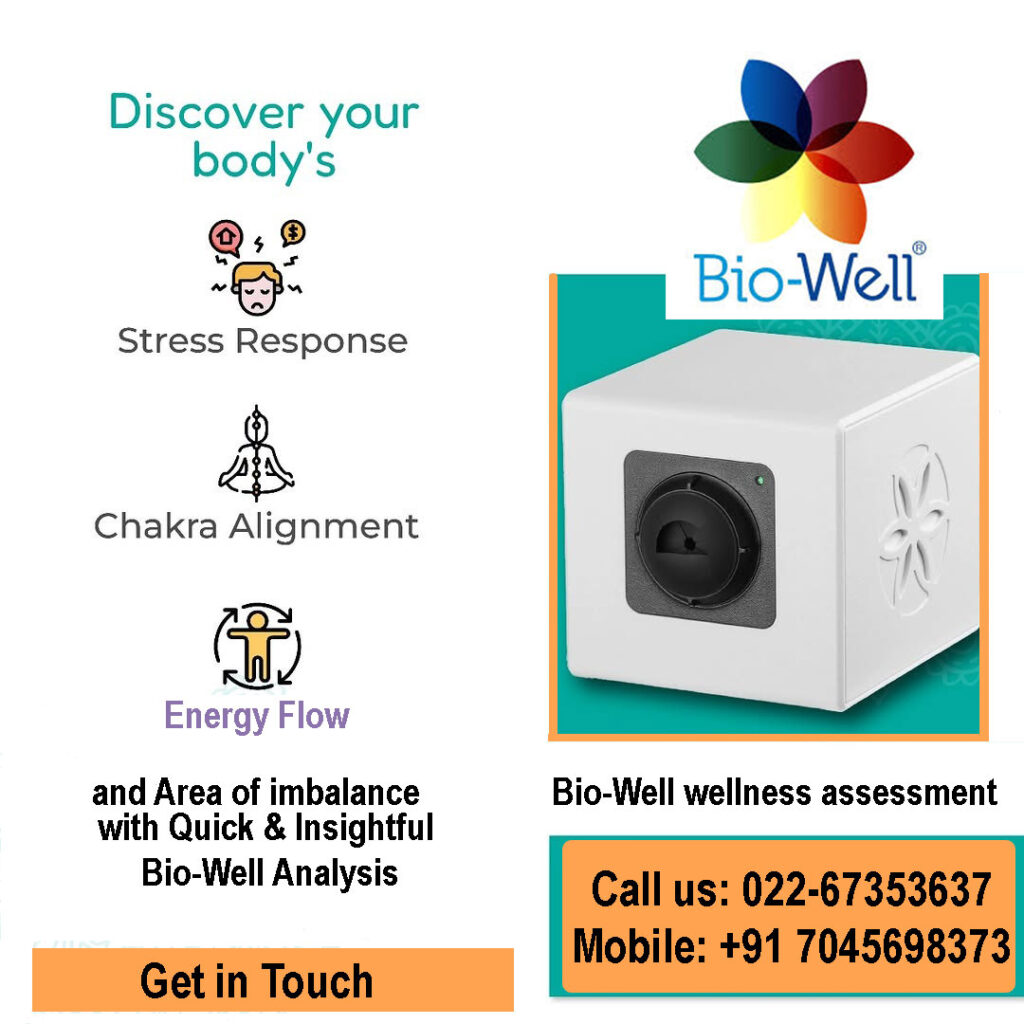
The integration of technology into holistic practices has opened new avenues for understanding and enhancing health. One such innovation is the Bio Well Camera, a tool that provides insights into an individual’s energy field. This technology measures the body’s energy emissions, offering a unique perspective on health and wellness.
The Bio Well Camera uses advanced sensors to capture the biofield, providing visual and quantitative data on an individual’s energetic state. This information can be used to identify imbalances or blockages in the energy flow, which may indicate underlying health issues. By addressing these imbalances, practitioners can develop personalized wellness plans that align with holistic principles.
Incorporating the Bio Well Camera into holistic care allows for a more comprehensive understanding of a patient’s health. It complements traditional diagnostic methods by offering a broader view of the body’s energetic state. As a result, practitioners can create more effective treatment plans that address both physical and energetic aspects of health.
Understanding GDV Camera and Its Applications
The GDV (Gas Discharge Visualization) Camera is another innovative tool in the realm of holistic care, providing insights into the human energy field. This technology captures the body’s energy emissions through a process known as Kirlian photography, offering valuable data on a person’s energetic health.
By using the GDV Camera, practitioners can visualize and analyze the biofield, identifying areas of imbalance or stress. This information is crucial for developing personalized wellness strategies that address the root causes of health issues. The GDV Camera’s ability to provide detailed insights into the body’s energetic state makes it an invaluable tool for holistic practitioners.
The applications of the GDV Camera extend beyond individual health assessments. It can be used in research to study the effects of various holistic practices on the energy field, providing scientific validation for holistic approaches. By integrating this technology into holistic care, practitioners can offer more comprehensive and effective treatments that align with the principles of holistic health.
Exploring Kirlian Camera: A Unique Perspective on Health
The Kirlian Camera, known for its ability to capture the energy emissions of living organisms, offers a unique perspective on health and wellness. This technique, which involves photographing the coronal discharge around objects, provides insights into the energetic state of a person.
Kirlian photography has been used in holistic practices to assess the vitality and balance of the energy field. By examining the patterns and intensity of the captured emissions, practitioners can identify areas of imbalance or stress. This information is invaluable for developing personalized treatment plans that address the energetic aspects of health.
The Kirlian Camera’s ability to visualize the energy field makes it a powerful tool in holistic care. It complements traditional diagnostic methods by providing additional insights into an individual’s health. By integrating this technology into holistic practices, practitioners can offer a more comprehensive approach to wellness that addresses both physical and energetic dimensions.
Integrating Technology into Holistic Care Practices
The integration of technology into holistic care has revolutionized the way we approach health and wellness. Tools like the Bio Well Camera, GDV Camera, and Kirlian Camera offer new insights into the body’s energetic state, enhancing our understanding of holistic health.
These technologies allow practitioners to assess an individual’s health from a broader perspective, considering both physical and energetic aspects. By providing detailed data on the energy field, these tools enable practitioners to develop personalized wellness plans that address the root causes of health issues.
The use of technology in holistic care also facilitates research and validation of holistic practices. By providing scientific data on the effects of various treatments, these tools contribute to the growing acceptance and integration of holistic approaches in mainstream healthcare.
Benefits of Holistic Care for Overall Well-being
Holistic care offers numerous benefits for overall well-being, making it an attractive option for those seeking a more balanced and healthy lifestyle. By addressing the physical, emotional, mental, spiritual, social, and environmental aspects of health, holistic care provides a comprehensive approach to wellness.
One of the primary benefits of holistic care is its focus on prevention and long-term health. By identifying and addressing the root causes of health issues, holistic practices promote long-term wellness and prevent future ailments. This proactive approach to health contributes to a higher quality of life and increased longevity.
Holistic care also fosters a sense of empowerment and self-awareness. By encouraging individuals to take an active role in their health, holistic practices promote self-care and personal growth. This empowerment leads to improved mental and emotional well-being, enhancing overall life satisfaction.
Common Misconceptions About Holistic Care
Despite its growing popularity, holistic care is often misunderstood and surrounded by misconceptions. One common misconception is that holistic practices are unscientific or lack evidence. In reality, many holistic approaches are supported by scientific research and have been proven effective in enhancing health and wellness.
Another misconception is that holistic care is a replacement for traditional medicine. In fact, holistic care complements conventional treatments by addressing the energetic and emotional aspects of health. It offers a more comprehensive approach to wellness that enhances the effectiveness of traditional medical interventions.
Lastly, some believe that holistic care is only for those with specific beliefs or lifestyles. However, holistic practices are adaptable and can be tailored to suit individual needs and preferences. By understanding the true nature of holistic care, individuals can make informed decisions about their health and wellness.
How to Choose the Right Holistic Care Practitioner
Selecting the right holistic care practitioner is crucial for achieving the desired health outcomes. Here are some tips to help you make an informed decision:
- Research and Credentials: Look for practitioners with appropriate credentials and experience in holistic care. Check for certifications and memberships in professional organizations that adhere to ethical and professional standards.
- Personal Connection: Choose a practitioner with whom you feel comfortable and supported. A good practitioner will listen to your concerns and work collaboratively with you to develop a personalized wellness plan.
- Approach and Philosophy: Ensure the practitioner’s approach aligns with your values and health goals. Discuss their philosophy and methods to understand how they integrate holistic principles into their practice.
By considering these factors, you can find a holistic care practitioner who is well-suited to support your journey to health and wellness.
Conclusion: Embracing a Holistic Approach to Health
Embracing a holistic approach to health offers a comprehensive path to wellness that addresses the interconnectedness of body, mind, and spirit. By understanding and integrating the main factors of holistic care, individuals can achieve a balanced and healthy lifestyle that promotes long-term well-being.
As we explore the role of technology in holistic care, we gain new insights into the body’s energetic state and enhance our understanding of health. Tools like the Bio Well Camera, GDV Camera, and Kirlian Camera provide valuable data that complements traditional diagnostic methods, allowing for more effective treatments.
By overcoming misconceptions and choosing the right practitioners, we can fully embrace the potential of holistic care. This approach not only enhances physical health but also fosters emotional, mental, and spiritual growth, contributing to a more fulfilling and satisfying life.
Feel free to explore holistic care practices and discover how they can transform your health and well-being. Consider consulting with a qualified holistic practitioner to explore personalized strategies that align with your health goals. By taking an active role in your wellness journey, you can unlock the full potential of holistic care and enhance your quality of life.