Introduction to Holistic Health
In today’s fast-paced world, the concept of holistic health is gaining considerable attention. But what exactly is holistic health? Holistic health focuses on the whole person, rather than just treating specific symptoms or illnesses. It emphasizes the connection between the body, mind, and spirit, promoting overall wellness rather than merely addressing isolated issues. By adopting this approach, individuals strive to achieve balance and harmony in their lives, fostering a deeper sense of well-being.
Holistic health practices encourage individuals to take an active role in their health care. This means not only relying on conventional medical treatments but also exploring alternative therapies that align with their personal beliefs and values. The goal is to empower people to make informed choices that enhance their quality of life. As a result, holistic health is about prevention and maintaining health, rather than just treating diseases after they occur.
In this article, we’ll dive into various aspects of holistic health, exploring examples of holistic health practices, the benefits of a holistic lifestyle, and how to integrate these practices into everyday life. Whether you’re new to this concept or seeking to deepen your understanding, this guide will provide valuable insights into embracing holistic health.
Understanding Holistic Health Practices
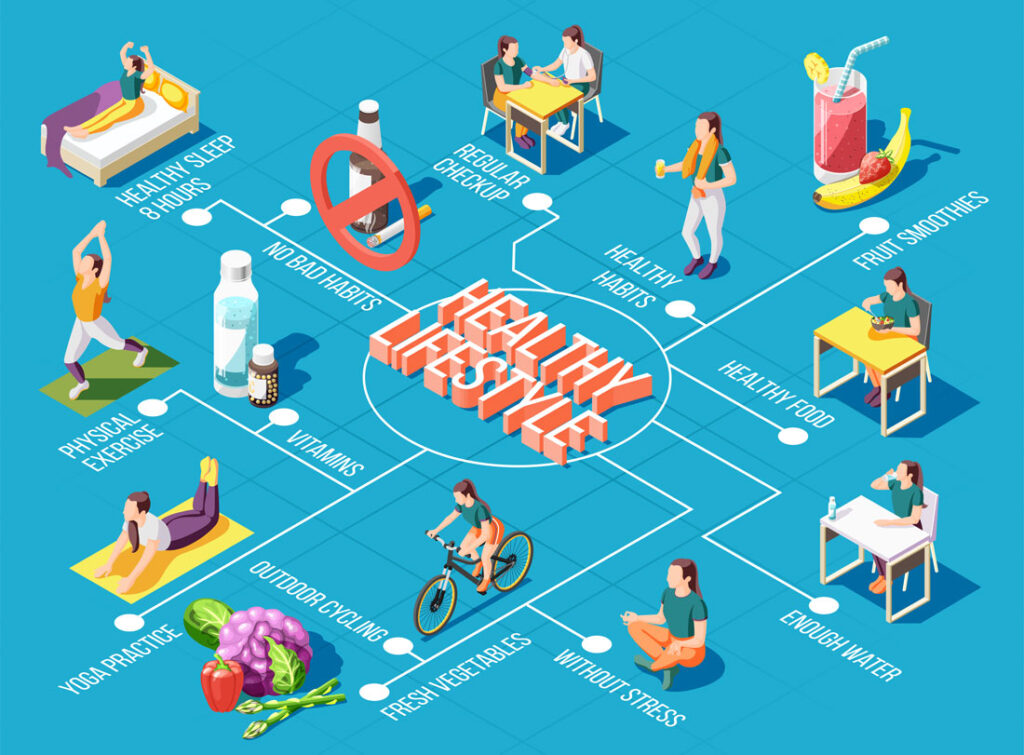
Understanding holistic health practices requires an appreciation of their core principles. These practices are based on the idea that physical, mental, emotional, and spiritual health are interconnected. By addressing all these areas, holistic health aims to improve an individual’s overall well-being. This approach encourages self-awareness and mindfulness, helping people recognize and address imbalances in their lives.
Holistic health practices include a wide range of techniques, from nutrition and physical activity to meditation and energy work. Each practice is designed to promote balance and harmony, enabling individuals to lead healthier and more fulfilling lives. By focusing on prevention and wellness, these practices help people manage stress, improve their emotional health, and enhance their quality of life.
Moreover, holistic health practices are personalized, taking into account an individual’s unique needs, preferences, and circumstances. This individualized approach ensures that each person receives the care and support they need to thrive. By adopting holistic health practices, individuals can take control of their health and well-being, fostering a sense of empowerment and personal growth.
What Are the Examples of Holistic Health Practices?
When exploring holistic health, it’s essential to understand the diverse practices that fall under this umbrella. Here are some examples of holistic health practices that individuals can incorporate into their lives:
1. Nutrition and Diet
- Whole Foods: Emphasizing the consumption of whole, unprocessed foods to provide the body with essential nutrients.
- Herbal Remedies: Using herbs and supplements to support the body’s natural healing processes.
- Mindful Eating: Focusing on the experience of eating, promoting a deeper connection with food and its effects on the body.
2. Physical Activity
- Yoga: Combining physical postures, breathing exercises, and meditation to promote physical and mental well-being.
- Tai Chi: A gentle form of martial arts that focuses on slow, deliberate movements to improve balance and reduce stress.
- Walking and Hiking: Engaging in regular physical activity to maintain cardiovascular health and overall fitness.
3. Mind-Body Techniques
- Meditation: Practicing mindfulness and relaxation techniques to reduce stress and enhance mental clarity.
- Breathing Exercises: Using controlled breathing to calm the mind and body, promoting relaxation and focus.
- Visualization: Imagining positive outcomes and experiences to boost mental and emotional well-being.
4. Energy Healing
- Reiki: A Japanese technique that involves the transfer of energy through the practitioner’s hands to promote healing.
- Acupuncture: Using thin needles to stimulate specific points on the body, enhancing energy flow and reducing pain.
- Chakra Balancing: Aligning the body’s energy centers to promote physical, emotional, and spiritual health.
By incorporating these practices into their daily routines, individuals can experience profound improvements in their overall health and well-being. Each practice offers unique benefits, allowing people to tailor their holistic health journey to their specific needs and goals.
Benefits of Holistic Health Approaches
Holistic health approaches offer numerous benefits that extend beyond traditional medical treatments. By focusing on the whole person, these approaches promote physical, mental, and emotional well-being, leading to a more balanced and fulfilling life. Here are some key benefits of adopting a holistic health lifestyle:
1. Enhanced Emotional Well-Being
- Holistic health practices encourage self-reflection and emotional awareness, helping individuals manage stress and anxiety more effectively.
- Techniques such as meditation and mindfulness promote relaxation and mental clarity, reducing feelings of overwhelm and burnout.
2. Improved Physical Health
- By prioritizing nutrition and physical activity, holistic health supports the body’s natural healing processes and enhances overall fitness.
- Practices like yoga and tai chi improve flexibility, strength, and balance, reducing the risk of injury and promoting longevity.
3. Increased Self-Awareness
- Holistic health encourages individuals to tune into their bodies and minds, fostering a deeper understanding of their needs and priorities.
- This self-awareness empowers people to make informed decisions about their health, leading to more personalized and effective care.
By embracing holistic health approaches, individuals can experience a greater sense of balance and harmony in their lives. These practices not only improve physical health but also nurture emotional and spiritual well-being, creating a foundation for long-term health and happiness.
The Role of Bio Well Camera in Holistic Health
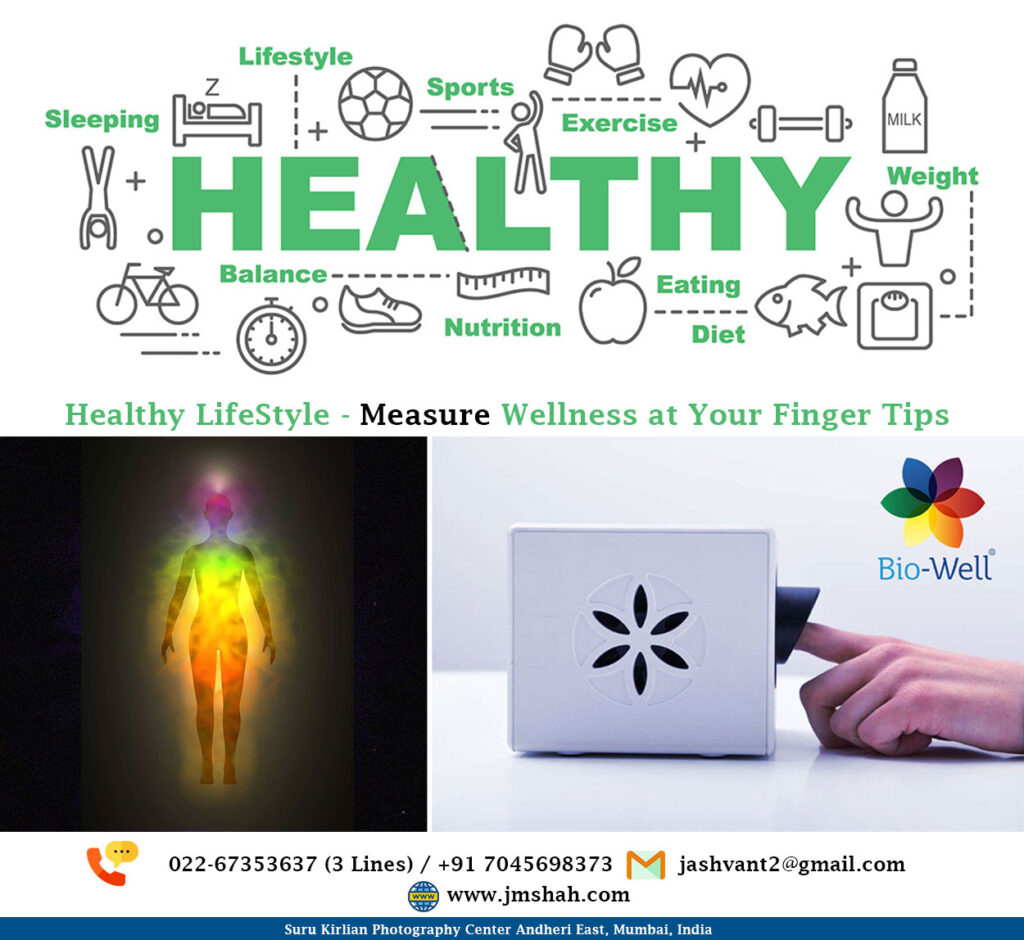
In the realm of holistic health, innovative tools like the Bio Well Camera offer unique insights into an individual’s energy levels and overall well-being. The Bio Well Camera is a non-invasive device that captures images of the body’s energy field, providing valuable information about a person’s physical, emotional, and spiritual health. This technology is based on the principles of electrophotonic imaging, which measures the biofield and helps identify imbalances.
The Bio Well Camera plays a significant role in holistic health by offering a visual representation of a person’s energy state. This information can be used to assess the effectiveness of various holistic practices, guiding individuals in their wellness journey. By understanding their energy patterns, people can make informed decisions about which practices to incorporate into their lives, enhancing their overall health.
Moreover, the Bio Well Camera fosters self-awareness by highlighting areas that may require attention or improvement. By providing a comprehensive view of an individual’s health, this tool empowers people to take control of their well-being and make positive changes. As holistic health continues to evolve, the Bio Well Camera represents a valuable resource for those seeking to optimize their health and vitality.
Popular Holistic Health Practices Explained
In the world of holistic health, several practices have gained popularity due to their effectiveness and accessibility. These practices can be easily integrated into daily life, offering numerous benefits for physical, mental, and emotional well-being. Let’s explore some of the most popular holistic health practices and what makes them so appealing:
1. Yoga
- Yoga is a comprehensive practice that combines physical postures, breathing exercises, and meditation to promote overall well-being.
- It enhances flexibility, strength, and balance, while also reducing stress and promoting relaxation.
- Yoga can be adapted to suit individuals of all ages and fitness levels, making it an inclusive and versatile practice.
2. Meditation
- Meditation involves focusing the mind and cultivating a state of calm and relaxation.
- It helps reduce stress, improve concentration, and enhance emotional resilience.
- With various techniques available, such as mindfulness and guided meditation, individuals can find a style that suits their needs.
3. Acupuncture
- Acupuncture is an ancient Chinese practice that involves inserting thin needles into specific points on the body.
- It is believed to enhance energy flow, reduce pain, and promote healing.
- Acupuncture is used to address a wide range of conditions, from chronic pain to anxiety, making it a versatile and effective treatment.
These practices are just a few examples of the many holistic health options available. By exploring and incorporating these techniques, individuals can experience profound improvements in their overall well-being, leading to a healthier and more balanced life.
Integrating Holistic Health Practices into Daily Life
Integrating holistic health practices into daily life can be a transformative experience, providing numerous benefits for physical, mental, and emotional well-being. By making small, intentional changes, individuals can create a more balanced and fulfilling lifestyle. Here are some practical tips for incorporating holistic health practices into your daily routine:
1. Set Realistic Goals
- Start by setting achievable goals that align with your personal values and priorities.
- Focus on one or two practices at a time, gradually incorporating more as you become comfortable.
- Celebrate small victories and progress, recognizing that holistic health is a lifelong journey.
2. Create a Supportive Environment
- Surround yourself with supportive people who share your commitment to holistic health.
- Designate a specific space for your practices, such as a quiet corner for meditation or a yoga mat in your living room.
- Use tools and resources, like the Bio Well Camera, to track your progress and stay motivated.
3. Practice Consistency and Patience
- Consistency is key when integrating holistic health practices into daily life.
- Establish a regular routine, incorporating practices into your morning or evening rituals.
- Be patient with yourself, allowing time for these practices to become a natural part of your life.
By taking a gradual and intentional approach, individuals can successfully integrate holistic health practices into their daily lives. These practices not only enhance physical health but also nurture emotional and spiritual well-being, creating a foundation for long-term health and happiness.
Myths and Misconceptions About Holistic Health
Holistic health is often surrounded by myths and misconceptions that can deter individuals from exploring its benefits. By addressing these misconceptions, we can promote a more accurate understanding of holistic health and its potential to enhance well-being. Here are some common myths and the truths behind them:
1. Myth: Holistic Health Is Anti-Medical
- Truth: Holistic health complements conventional medicine by addressing the whole person, rather than replacing medical treatments.
- It encourages individuals to take an active role in their health care, using both traditional and alternative therapies as needed.
- Holistic health practitioners often work alongside medical professionals to provide comprehensive care.
2. Myth: Holistic Practices Are Not Scientifically Supported
- Truth: Many holistic practices, such as yoga, meditation, and acupuncture, have been studied extensively and shown to have numerous health benefits.
- Research continues to explore the efficacy of these practices, providing evidence of their positive impact on physical, mental, and emotional health.
- The growing body of scientific literature supports the integration of holistic practices into mainstream health care.
3. Myth: Holistic Health Is Only for Certain People
- Truth: Holistic health is accessible to individuals of all ages, backgrounds, and fitness levels.
- It offers a wide range of practices, allowing people to find what resonates with their unique needs and preferences.
- By embracing holistic health, anyone can experience improved well-being and a more balanced lifestyle.
By dispelling these myths, we can encourage more people to explore the benefits of holistic health and make informed choices about their well-being.
Resources for Learning More About Holistic Health
For those interested in learning more about holistic health, there are numerous resources available to support your journey. These resources offer valuable information, guidance, and inspiration for integrating holistic practices into your life. Here are some recommended resources to explore:
1. Books and Literature
- “The Book of Joy” by Dalai Lama and Desmond Tutu: A powerful exploration of joy and well-being through a holistic lens.
- “The Healing Self” by Deepak Chopra and Rudolph E. Tanzi: This book delves into the mind-body connection and offers practical advice for achieving holistic health.
- “The Yoga Bible” by Christina Brown: A comprehensive guide to yoga postures and practices for beginners and advanced practitioners alike.
2. Online Courses and Workshops
- Coursera and Udemy: These platforms offer a wide range of courses on holistic health topics, from meditation to nutrition and beyond.
- The Chopra Center: Offers online workshops and resources focused on mind-body wellness and holistic practices.
3. Community and Support Groups
- Local Holistic Health Centers: Many communities have centers or practitioners offering classes and workshops on holistic health practices.
- Social Media Groups: Online communities, such as Facebook groups, provide a platform for individuals to connect, share experiences, and support each other on their holistic health journey.
By exploring these resources, individuals can deepen their understanding of holistic health and gain the tools and knowledge needed to embrace a more balanced and fulfilling lifestyle.
Conclusion: Embracing a Holistic Health Lifestyle
Embracing a holistic health lifestyle is a journey toward achieving balance and harmony in all aspects of life. By focusing on the whole person, rather than just addressing isolated symptoms, holistic health promotes overall well-being and empowers individuals to take control of their health. Through a combination of nutrition, physical activity, mind-body techniques, and energy healing, people can experience profound improvements in their physical, mental, and emotional health.
As we’ve explored in this article, there are numerous examples of holistic health practices, each offering unique benefits and opportunities for personal growth. By integrating these practices into daily life, individuals can cultivate a deeper sense of self-awareness, enhance their quality of life, and create a foundation for long-term health and happiness.
If you’re ready to take the next step in your holistic health journey, consider exploring the resources and practices mentioned in this article. Remember, holistic health is a lifelong journey, and every small step you take brings you closer to a more balanced and fulfilling life. Join us in embracing a holistic health lifestyle and discover the transformative power of nurturing the mind, body, and spirit.