What is Aura Imaging?
Aura imaging is a fascinating concept that merges the realms of spirituality and technology. At its core, aura imaging involves capturing the invisible energy fields, often referred to as auras, that surround all living beings. These energy fields are believed to reflect an individual’s emotional, mental, and spiritual states. By visualizing these auras, practitioners aim to gain insights into a person’s well-being.
The process of aura imaging uses advanced technology to transform these energy fields into visual form. This is typically achieved through specialized cameras and software designed to interpret the subtle energies surrounding an individual. The resulting images often display a spectrum of colors, each representing different emotional and energetic states.
Understanding aura imaging is essential for those interested in exploring holistic wellness practices. It provides a unique perspective on health, allowing individuals to perceive aspects of themselves that may not be apparent through conventional means. By examining these energy patterns, one can gain a comprehensive view of their internal and external states.
How Does Aura Imaging Work?
To understand how aura imaging works, it’s essential to delve into the technology and principles behind it. Aura imaging systems generally rely on the principles of biofeedback, where physiological data such as skin temperature, conductivity, and electromagnetic fields are captured and analyzed.
The equipment used in aura imaging often incorporates sensors that detect the subtle energy emissions from the body. These sensors translate the energy into data that is processed by specialized software to create a visual representation. The resulting image is typically a colorful depiction of the aura, with each color corresponding to different energy frequencies and emotional conditions.
One of the most intriguing aspects of aura imaging is its ability to provide real-time feedback. This allows individuals to observe changes in their aura as they experience different emotions or alter their mental states. Such dynamic visualization can offer valuable insights into how thoughts and feelings directly impact one’s energetic aura.
Understanding the Aura System
The aura system is a complex interplay of energy fields that envelop the human body. These fields are believed to extend beyond the physical form, encompassing various layers that correspond to different aspects of existence, such as the physical, emotional, mental, and spiritual planes.
Each layer of the aura system is associated with specific colors that signify particular states of being. For example, vibrant reds might indicate passion or vitality, while softer blues could suggest calmness or tranquility. Understanding these color associations aids in interpreting aura images and deriving meaningful insights from them.
The concept of the aura system also emphasizes the interconnectedness of the mind, body, and spirit. By analyzing the aura, individuals can gain a holistic view of their health and well-being. This comprehensive approach can be particularly beneficial for identifying underlying issues that may not be immediately apparent through traditional medical examinations.
The Science Behind Aura Visualization
Although aura imaging often seems mystical, there is a scientific foundation supporting its methodologies. The science behind aura visualization primarily focuses on the detection and interpretation of the body’s electromagnetic fields. These fields, generated by physiological processes, can provide valuable information about an individual’s health and emotional state.
Research suggests that the aura is not merely a spiritual phenomenon but a measurable aspect of human physiology. By utilizing advanced imaging technology, researchers can capture and analyze these electromagnetic emissions, allowing for a deeper understanding of the correlation between energy fields and well-being.
Furthermore, the scientific exploration of aura visualization continues to evolve, with ongoing studies aimed at validating its effectiveness and expanding its applications. As technology advances, the accuracy and reliability of aura imaging are expected to improve, potentially bridging the gap between traditional medicine and holistic practices.
Bio Well Camera: An Overview
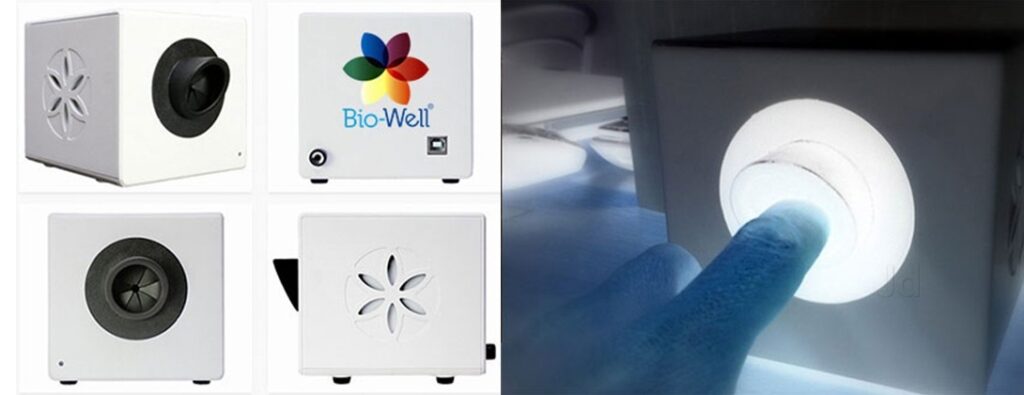
One of the most prominent tools in the field of aura imaging is the Bio Well Camera. This innovative device utilizes gas discharge visualization (GDV) technology to capture and analyze the energy fields surrounding the human body. The Bio Well Camera has gained recognition for its ability to produce accurate and detailed aura images.
The Bio Well Camera operates by placing a person’s fingers on a sensor that emits a high-frequency electrical current. This current stimulates the emission of photons, which are then captured and transformed into an aura image. The resulting visualization provides a comprehensive view of the individual’s energy field, complete with color-coded interpretations.
Users of the Bio Well Camera can expect a thorough analysis of their aura energy, offering insights into their physical and emotional states. This technology is particularly valued for its non-invasive nature and the depth of information it provides, making it a popular choice among wellness practitioners seeking to integrate aura imaging into their practice.
Aura Energy Analysis: What to Expect
Engaging in an aura energy analysis can be a revealing experience, offering individuals a glimpse into their energetic well-being. The process typically begins with a session where the individual’s aura is captured using specialized equipment, such as the Bio Well Camera. This initial step involves positioning oneself comfortably to ensure accurate and consistent readings.
Once the aura image is generated, practitioners will conduct a detailed examination of the colors, patterns, and intensity within the aura. Each element is analyzed to interpret what it signifies about the person’s physical, emotional, and spiritual state. This analysis often includes identifying areas of imbalance or blockages that may be affecting overall health.
The insights gained from an aura energy analysis can be transformative. Individuals often receive personalized recommendations on practices or lifestyle changes that could enhance their energetic health. These could include meditation, dietary adjustments, or specific exercises designed to align and harmonize their energy fields.
Interpreting Aura Images
Interpreting aura images requires a nuanced understanding of color symbolism and energy dynamics. Each color within an aura image holds specific meanings, often reflecting the individual’s current emotional and physiological conditions. For instance, bright yellows might indicate creativity and optimism, while darker shades could suggest stress or fatigue.
Practitioners trained in aura interpretation use these color cues to assess the individual’s energetic health. They look for patterns and anomalies that might indicate areas needing attention or improvement. This process is not merely about identifying issues but also about recognizing strengths and positive attributes that can be nurtured.
Moreover, the interpretation of aura images is highly personalized. While general guidelines exist, the meaning of colors can vary based on the context and the individual’s unique energy signature. This personalized approach ensures that interpretations are relevant and beneficial for the person receiving the analysis.
Applications of Aura Imaging in Wellness and Therapy
Aura imaging has found numerous applications within the fields of wellness and therapy. Its ability to provide a visual representation of energy fields makes it a valuable tool for practitioners aiming to offer a holistic approach to health. One of the primary applications is in stress management, where aura imaging can identify stress patterns and help in developing strategies to alleviate them.
In therapeutic settings, aura imaging is used to complement traditional methods, offering insights into emotional and psychological conditions. Therapists might use aura images to track a client’s progress over time, observing how their energy fields change with treatment. This visual evidence can be motivating for clients, reinforcing the effectiveness of therapeutic interventions.
Additionally, aura imaging is increasingly being integrated into wellness retreats and workshops. Participants can receive personalized aura analyses, gaining insights into their energy patterns and receiving guidance on enhancing their overall well-being. These applications highlight the versatility of aura imaging as a tool for promoting holistic health.
Common Misconceptions About Aura Imaging
Despite its growing popularity, aura imaging is often surrounded by misconceptions that can deter individuals from exploring its benefits. One common myth is that aura imaging is purely mystical with no scientific basis. However, as discussed earlier, there is a scientific foundation supporting the detection and analysis of electromagnetic fields around the body.
Another misconception is that aura imaging can predict the future or diagnose medical conditions. While aura imaging provides valuable insights into one’s energetic state, it should not be used as a standalone diagnostic tool. Instead, it should be seen as a complement to conventional medical practices, offering additional perspectives on health and well-being.
Lastly, some people believe that aura imaging can only be interpreted by spiritual or psychic practitioners. In reality, many trained professionals, including those from scientific and medical backgrounds, use aura imaging as part of their holistic approach to health care. This broad spectrum of practitioners ensures that aura imaging is accessible and beneficial to a wide audience.
Conclusion: The Future of Aura Imaging Technology
The future of aura imaging technology is promising, with ongoing advancements poised to enhance its accuracy and applicability. As technology continues to evolve, we can expect more sophisticated devices capable of capturing even more detailed and nuanced aura images. These advancements will likely lead to broader acceptance and integration of aura imaging in both wellness and medical fields.
Moreover, the increasing interest in holistic health practices suggests a growing demand for tools like aura imaging that offer insights beyond traditional approaches. As more individuals seek comprehensive ways to understand and improve their well-being, aura imaging is set to play a significant role in meeting these needs.
If you’re intrigued by the possibilities of aura imaging and want to explore its benefits, consider reaching out to a qualified practitioner or attending a workshop. By embracing this innovative technology, you can gain a deeper understanding of yourself and enhance your journey toward holistic health.