Introduction to Holistic Treatments
In today’s fast-paced world, achieving balance in life can often seem like an elusive goal. As we navigate our daily commitments, many of us are turning toward holistic treatments to find harmony and wellness. Holistic health is an approach that emphasizes the connection between the mind, body, and spirit. By considering all these aspects, holistic treatments aim to achieve a well-rounded state of health and balance.
Holistic treatments focus on the individual as a whole, rather than just addressing symptoms. This comprehensive approach can include a variety of practices that work synergistically to enhance overall well-being. From ancient practices like acupuncture to modern techniques involving biofeedback, holistic health offers a wide range of options to suit individual needs.
As we delve deeper into this topic, we’ll explore some of the most common holistic treatments available today. We’ll also examine how these practices can be seamlessly integrated into our daily routines to foster a balanced and fulfilling life.
Understanding the Concept of Holistic Wellness
Holistic wellness is a lifestyle choice that considers the complete person, including their physical, mental, emotional, and spiritual well-being. This approach recognizes that health is multifaceted and that each aspect must be nurtured for optimal health. The goal of holistic wellness is not just to treat illness but to prevent it by maintaining equilibrium in all areas of life.
To fully appreciate holistic wellness, it’s essential to understand its core principles. These include the belief that the body has an innate ability to heal itself and that lifestyle choices can significantly impact health. Holistic wellness also emphasizes personal responsibility for one’s health, encouraging individuals to make informed choices about their lifestyle and healthcare.
By adopting a holistic approach, we can develop a greater awareness of the interconnectedness of our actions and their impact on our health. This understanding can lead to more mindful living and better decision-making, ultimately fostering a healthier, more balanced life.
What Are Some Common Holistic Treatments?
When exploring holistic treatments, it’s important to recognize the diversity of practices available. These treatments can range from traditional methods to modern innovations, each offering unique benefits. Some of the most common holistic treatments include:
- Acupuncture: An ancient Chinese practice that involves inserting thin needles into specific points on the body to balance energy flow.
- Chiropractic Care: Focuses on diagnosing and treating musculoskeletal disorders, particularly those related to the spine.
- Massage Therapy: Utilizes various techniques to manipulate muscles and tissue, promoting relaxation and healing.
- Yoga and Tai Chi: Mind-body exercises that combine movement, meditation, and breathing to enhance physical and mental well-being.
- Homeopathy: A natural form of medicine that uses small doses of natural substances to stimulate the body’s healing processes.
By understanding these common holistic treatments, we can choose the practices that resonate with us and integrate them into our wellness routine. Each treatment offers distinct advantages, and exploring them can lead to personalized strategies for achieving balance in life.
The Role of Nutrition in Holistic Health
Nutrition plays a pivotal role in holistic health, as what we consume can significantly influence our physical and mental well-being. A holistic approach to nutrition involves more than just eating a balanced diet; it requires mindfulness about the types of food we eat and their sources. Emphasizing whole, organic, and minimally processed foods can nourish the body and support overall health.
Incorporating a variety of nutrients is essential for maintaining energy and vitality. This means consuming an array of fruits, vegetables, whole grains, lean proteins, and healthy fats. Each of these food groups provides unique benefits that contribute to a well-rounded diet. Additionally, staying hydrated and limiting the intake of sugar, salt, and processed foods can further enhance wellness.
Understanding the connection between nutrition and health empowers us to make informed choices. By paying attention to our body’s needs and signals, we can tailor our diet to support our holistic wellness journey. This mindful approach to eating not only benefits physical health but also promotes mental clarity and emotional stability.
Mindfulness and Meditation as Holistic Practices
Mindfulness and meditation are powerful holistic practices that cultivate a deeper awareness of the present moment. These practices encourage us to slow down and connect with our thoughts, emotions, and environment. By incorporating mindfulness and meditation into our daily routine, we can reduce stress, improve focus, and enhance emotional resilience.
Mindfulness involves paying attention to our thoughts and feelings without judgment. This practice can be integrated into daily activities, such as eating, walking, or even breathing. By being fully present in each moment, we can develop a greater appreciation for life’s experiences and reduce anxiety.
Meditation, on the other hand, involves setting aside time to engage in focused contemplation. Various forms of meditation, such as guided visualization or mantra repetition, can be tailored to suit individual preferences. Regular meditation practice can lead to profound changes in mental clarity and emotional well-being, contributing to a more balanced life.
The Benefits of Herbal Remedies and Natural Supplements
Herbal remedies and natural supplements have been used for centuries to support health and wellness. These holistic treatments harness the power of plants and natural compounds to promote healing and prevent illness. As part of a holistic approach, herbal remedies can offer a gentle yet effective way to enhance overall health.
Herbs such as chamomile, lavender, and peppermint are known for their calming properties and can be used to alleviate stress and anxiety. Others, like echinacea and elderberry, are popular for their immune-boosting effects. It’s essential to consult with a healthcare professional before incorporating herbal remedies into your routine, especially if you are taking other medications.
Natural supplements, including vitamins, minerals, and antioxidants, can fill nutritional gaps in the diet. These supplements can support various aspects of health, from improving energy levels to enhancing skin health. When used responsibly, herbal remedies and supplements can complement other holistic treatments and contribute to a balanced and healthy lifestyle.
Exploring Energy Healing Techniques
Energy healing techniques are holistic treatments that focus on restoring balance and harmony within the body’s energy systems. These practices are based on the belief that energy flows through the body and can become blocked or imbalanced, leading to physical or emotional issues. By working to realign this energy, healing can occur.
Some popular energy healing techniques include:
- Reiki: A Japanese practice that involves the transfer of universal energy through the hands of the practitioner to the recipient.
- Qi Gong: A Chinese method that combines movement, meditation, and breathing exercises to balance and enhance the flow of energy.
- Healing Touch: A practice that uses gentle hand techniques to promote relaxation and healing by influencing the body’s energy field.
These energy healing techniques can be powerful tools for promoting relaxation, reducing stress, and enhancing overall well-being. By exploring these practices, we can gain a deeper understanding of the mind-body connection and its impact on health.
Bio Well Camera Uses for Holistic Treatments
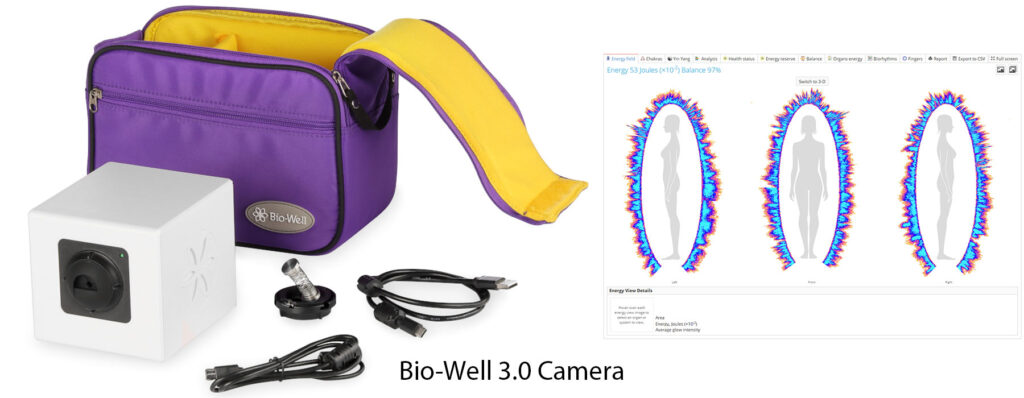
The Bio Well Camera is an innovative tool used in holistic treatments to assess and visualize the body’s energy field. This technology captures images of the body’s electromagnetic field, providing insights into a person’s physical and emotional state. By analyzing the energy field, practitioners can identify imbalances and tailor holistic treatments to address specific needs.
One of the key uses of the Bio Well Camera is to track changes in a person’s energy field over time. This allows for a comprehensive assessment of how lifestyle changes, stress, and treatments are affecting overall wellness. By providing tangible data, the Bio Well Camera can enhance the effectiveness of holistic treatments and guide practitioners in creating personalized wellness plans.
Incorporating the Bio Well Camera into holistic treatments offers a unique opportunity to visualize and understand the impact of energy on health. This tool can be particularly beneficial for those seeking a deeper exploration of their wellness journey and a more targeted approach to achieving balance.
Incorporating Holistic Treatments into Daily Life
Incorporating holistic treatments into daily life can seem overwhelming, but it doesn’t have to be. By making small, intentional changes, we can seamlessly integrate these practices into our routine to support our wellness goals. The key is to start with one or two practices that resonate with us and gradually build from there.
Consider setting aside time each day for mindfulness or meditation. Even a few minutes of focused breathing or reflection can make a significant difference in stress levels and mental clarity. Additionally, make conscious choices about nutrition and seek out fresh, whole foods whenever possible.
Explore different holistic treatments and find those that align with your lifestyle and preferences. Whether it’s a weekly yoga class, monthly acupuncture sessions, or daily herbal tea, find what works for you and be consistent. By prioritizing holistic wellness, we can create a more balanced and fulfilling life.
Conclusion: Embracing a Holistic Approach for a Balanced Life
Embracing a holistic approach to wellness offers a comprehensive path to achieving balance and vitality. By considering the interconnectedness of mind, body, and spirit, we can address the root causes of health issues and foster long-term well-being. Holistic treatments provide a diverse range of options to suit individual needs and preferences, empowering us to take charge of our health.
As we embark on this journey, it’s important to remember that holistic wellness is a continuous process. By remaining open to exploration and adaptation, we can discover new practices and insights that enrich our lives. By integrating holistic treatments into our daily routine, we can cultivate a deeper sense of harmony and purpose.
Call to Action
If you’re ready to explore holistic treatments and bring balance to your life, I invite you to start your journey today. Begin by choosing one practice from this article that resonates with you and commit to incorporating it into your routine. Whether it’s trying a new herbal remedy, attending a meditation class, or scheduling a Bio Well Camera session, every step you take brings you closer to a balanced and healthy life. Let’s embrace this path to wellness together and create a life filled with vitality and peace.