Aura photography is a fascinating subject that has captured the interest of both spiritual seekers and scientific minds. This article delves into the intriguing world of aura photography, exploring its history, principles, and the technology behind capturing these ethereal energy fields. From understanding the science to interpreting the colors, let’s embark on a journey to uncover whether you can really photograph an aura and what it reveals about our inner selves.
Introduction to Aura Photography
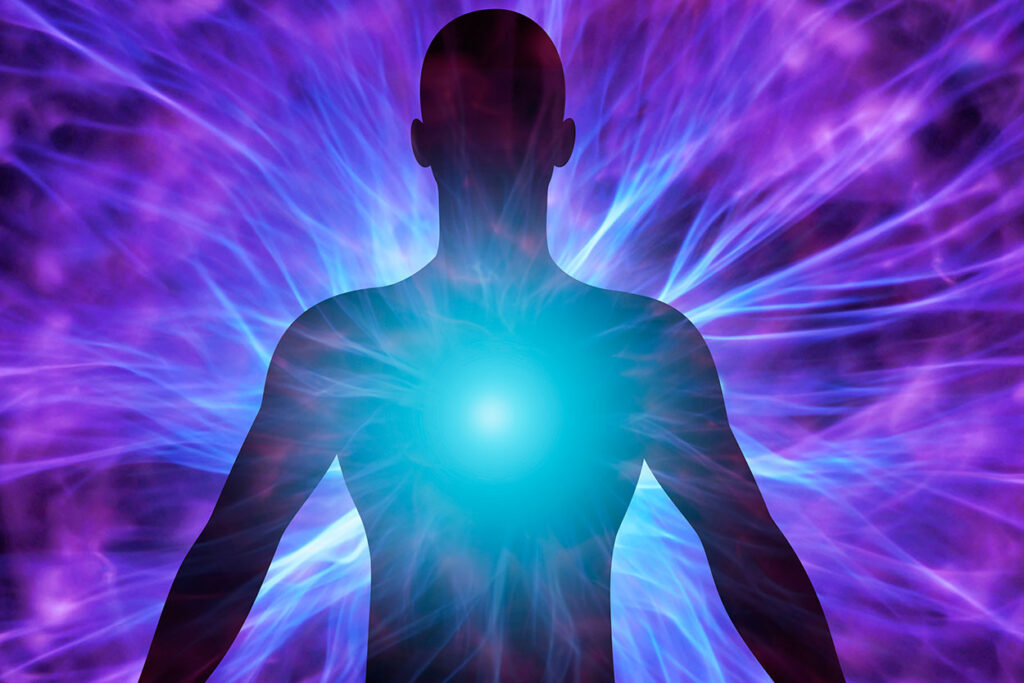
Aura photography is a technique that aims to capture the unseen energy fields that purportedly surround living beings. These energy fields, or auras, are said to reflect an individual’s emotional and spiritual state. As someone intrigued by both scientific exploration and spiritual insights, I find aura photography a fascinating intersection of these worlds. This practice invites us to consider the possibility that there is more to our existence than what meets the eye.
The allure of aura photography lies in its promise to reveal aspects of our personalities and emotional states that may not be immediately apparent. With a photograph, we can purportedly glimpse the colors and patterns that signify our current spiritual and emotional conditions. This concept raises intriguing questions about the nature of human energy and offers a unique perspective on self-discovery.
For many, aura photography is not just a tool for personal insight but a way to connect with others on a deeper level. By examining and interpreting auras, individuals can explore how their energy interacts with those around them, fostering greater empathy and understanding. This intricate dance of energies, captured in a single photograph, continues to captivate people worldwide.
The History and Concept of Auras
The concept of auras is rooted in ancient spiritual traditions and has been referenced throughout history. Many cultures, including the Indian, Chinese, and Native American traditions, have long believed in the existence of a subtle energy body that surrounds the physical form. This belief suggests that these energy fields can influence physical health, emotional well-being, and spiritual development.
The modern interest in auras gained momentum in the late 19th and early 20th centuries with the rise of spiritualism and theosophy. These movements sought to bridge the gap between science and spirituality, proposing that auras could be perceived by those with heightened psychic abilities. The notion of auras as visible energy fields became more widely accepted as photography and other technologies advanced.
In contemporary times, aura photography has become a popular method for exploring these energy fields. While skeptics question the validity of auras and their photographic representation, believers argue that the colors and patterns captured in these images provide valuable insights into an individual’s emotional and spiritual state. This blend of historical wisdom and modern technology continues to fuel the fascination with aura photography.
Can You Really Photograph an Aura?
The question of whether you can really photograph an aura is both intriguing and contentious. Proponents of aura photography assert that specialized equipment can capture the energy fields that surround individuals, presenting them as vibrant colors and patterns. These images are said to reflect an individual’s emotional, mental, and spiritual conditions, offering a unique glimpse into their inner world.
Critics, however, argue that aura photography lacks scientific credibility. They contend that the colors and patterns seen in aura photographs are merely artifacts created by the technology used, rather than genuine depictions of energy fields. Despite these criticisms, many continue to find value in aura photography as a tool for personal insight and spiritual exploration.
Ultimately, whether or not one believes in the ability to photograph auras, the practice invites us to consider the possibility of a world beyond our immediate perception. It challenges us to explore the connections between our physical and spiritual selves, sparking curiosity and wonder in the process.
The Science Behind Aura Photography
Aura photography is often linked to Kirlian photography, a technique discovered by Semyon Kirlian in the 1930s. Kirlian photography involves capturing images of objects in high-frequency electrical fields, resulting in ethereal, glowing outlines. This method was initially thought to reveal an object’s “energy field,” though many scientists attribute the effects to natural phenomena like moisture and temperature differences.
Despite the skepticism surrounding Kirlian photography, its principles laid the groundwork for modern aura photography. Today, aura photographs are typically captured using specialized cameras that incorporate biofeedback sensors. These sensors measure various physiological parameters, such as body temperature and electrical conductance, and translate these readings into colors that are thought to represent the subject’s aura.
The scientific community remains divided on the legitimacy of aura photography. While some researchers acknowledge the potential for capturing subtle energy fields, others insist that the images are merely artistic interpretations. Regardless of the scientific consensus, aura photography continues to captivate those seeking a deeper understanding of the human experience.
How Aura Photography Works
Aura photography typically involves the use of a specialized camera that combines biofeedback technology with photographic techniques. These cameras are designed to capture images that represent the subject’s energy field in the form of colorful patterns and hues. The process involves several steps, each contributing to the final image that many believe reflects the individual’s aura.
- Preparation: Before the photography session begins, the individual being photographed is usually asked to sit quietly and relax. This helps to stabilize their energy and create a conducive environment for an accurate reading.
- Biofeedback Measurement: The subject places their hand or fingertips on a set of biofeedback sensors. These sensors measure physiological parameters such as galvanic skin response, body temperature, and electrical conductance. These readings are then processed to determine the colors and intensity of the aura.
- Photographic Capture: The specialized camera captures the individual’s image, overlaying the biofeedback data as vibrant colors and patterns around the subject. The resulting photograph is believed to depict the person’s aura, providing insights into their emotional and spiritual state.
While the process may seem complex, many people find the experience of having their aura photographed to be both enlightening and enjoyable. Whether or not one subscribes to the belief in auras, the practice offers a unique way to explore personal energy and gain new perspectives on oneself.
Can You See Aura Energy in a Photo?
The question of whether you can see aura energy in a photo is central to the debate surrounding aura photography. Proponents argue that the colors and patterns captured in aura photographs are genuine representations of an individual’s energy field. These images are believed to offer insights into a person’s emotional and spiritual state, providing a visual reflection of their inner world.
Critics, however, remain skeptical. They contend that the images produced by aura photography are the result of technological artifacts rather than true depictions of energy fields. Factors such as lighting conditions, environmental influences, and the technology used can all contribute to the appearance of colors and patterns in the photographs.
Despite the ongoing debate, many individuals find value in examining and interpreting their aura photographs. For them, the images offer a unique perspective on personal growth and self-awareness, regardless of the scientific validity of the practice. Ultimately, the allure of seeing one’s aura captured in a photograph continues to captivate those seeking deeper understanding and connection.
Different Techniques for Capturing Auras
Aura photography encompasses a variety of techniques, each with its own approach to capturing and interpreting energy fields. These methods range from traditional techniques like Kirlian photography to modern innovations that incorporate advanced technology and biofeedback systems. Understanding these techniques can provide insight into the diverse ways people have sought to capture and interpret auras.
- Kirlian Photography: As one of the earliest methods for capturing auras, Kirlian photography involves placing an object on a photographic plate connected to a high-voltage source. The resulting image reveals a glowing outline around the object, which some interpret as its aura.
- Aura Cameras: Modern aura photography often utilizes specialized cameras that combine biofeedback sensors with photographic technology. These cameras measure physiological parameters and translate them into colors that represent the subject’s energy field.
- Digital Techniques: With advancements in digital technology, new methods have emerged for capturing and interpreting auras. Some photographers use digital sensors and software to analyze energy patterns and produce vibrant aura images.
Each technique offers a unique perspective on the concept of auras, allowing individuals to explore their energy fields in diverse ways. Whether through traditional methods or cutting-edge technology, the quest to capture and understand auras continues to inspire curiosity and exploration.
Interpreting Aura Colors and Their Meanings
Aura photographs are often characterized by vibrant colors and patterns, each believed to hold specific meanings related to an individual’s emotional and spiritual state. Interpreting these colors can provide insights into a person’s personality, health, and overall energy. While interpretations may vary, certain colors are commonly associated with particular traits and conditions.
- Red: Often linked to passion, energy, and vitality, red auras are thought to indicate strong emotions and a vibrant personality. However, an excess of red may suggest stress or anger.
- Orange: This color is associated with creativity, enthusiasm, and sociability. Individuals with an orange aura are often seen as outgoing and warm-hearted.
- Yellow: Yellow auras are connected to intellectual pursuits, optimism, and joy. They may indicate a bright, analytical mind and a positive outlook on life.
- Green: Representing balance, growth, and healing, green auras are often seen in individuals who are compassionate and nurturing. A deep green aura may suggest a strong connection to nature.
- Blue: Linked to communication, intuition, and calmness, blue auras are often associated with individuals who are empathetic and spiritually inclined. A deep blue may indicate a strong connection to one’s inner self.
- Purple: This color is connected to spirituality, intuition, and imagination. Individuals with a purple aura are often considered visionary and deeply introspective.
By interpreting these colors, individuals can gain valuable insights into their emotional and spiritual states, fostering greater self-awareness and personal growth.
The Mystique and Spiritual Significance of Auras
The mystique of auras lies in their ability to transcend the physical realm, offering a glimpse into the spiritual dimensions of existence. For many, auras represent the unseen energies that connect us to the universe and to one another. This belief imbues aura photography with a sense of wonder and reverence, as it seeks to capture the intangible essence of the human spirit.
Throughout history, auras have been associated with spiritual practices and beliefs. In various traditions, auras are seen as indicators of spiritual development, revealing insights into an individual’s journey toward enlightenment. This spiritual significance adds depth to the practice of aura photography, inviting individuals to explore the connections between their physical and spiritual selves.
For those who embrace the concept of auras, photographing these energy fields becomes a tool for personal exploration and growth. By examining their own auras, individuals can gain insights into their emotional and spiritual states, fostering greater self-awareness and connection to the world around them. This journey of discovery continues to captivate and inspire those who seek to understand the mysteries of existence.
Popular Aura Photography Tools and Techniques
The practice of capturing auras has evolved significantly over the years, with new tools and techniques continually emerging. From traditional methods to modern innovations, these tools offer diverse approaches to exploring and interpreting auras. Understanding these options can help individuals choose the method that best aligns with their interests and beliefs.
- Aura Cameras: These specialized devices are designed to capture the subject’s energy field by combining biofeedback technology with photographic techniques. Popular models include the AuraCam 6000 and the AuraCloud 3D system.
- Software and Apps: Advances in digital technology have led to the development of aura photography software and apps, allowing individuals to capture and analyze their auras using smartphones and other devices.
- Kirlian Photography Kits: For those interested in traditional methods, Kirlian photography kits offer a hands-on approach to capturing auras. These kits typically include a high-voltage source, photographic plates, and instructions for creating ethereal images.
Each tool and technique offers unique insights into the world of auras, allowing individuals to explore their energy fields in a way that resonates with their personal beliefs and preferences.
Real-Life Applications of Aura Photography
While aura photography is often associated with spiritual exploration, it also has practical applications in various fields. From holistic health practices to personal development, the insights gained from aura photography can be applied in numerous ways to enhance well-being and self-awareness.
- Holistic Healing: Practitioners of holistic health often use aura photography as a diagnostic tool to assess an individual’s energetic balance. By interpreting the colors and patterns in an aura photograph, they can identify areas that may require healing or attention.
- Personal Development: Many individuals use aura photography as a tool for personal growth and self-awareness. By examining their auras, they can gain insights into their emotional and spiritual states, fostering greater understanding and personal development.
- Art and Creativity: The vibrant colors and patterns captured in aura photographs can serve as inspiration for artists and creatives. These images offer a unique perspective on the interplay of energy and emotion, sparking inspiration and creativity.
By applying the insights gained from aura photography, individuals can enhance their understanding of themselves and the world around them, promoting greater well-being and connection.
Can You Really Photograph an Aura With Bio Well GDV Camera
This is a fascinating and often debated topic! Let’s break it down clearly so you understand what the Bio-Well GDV camera does — and what it doesn’t do.
What the Bio-Well GDV Camera Is
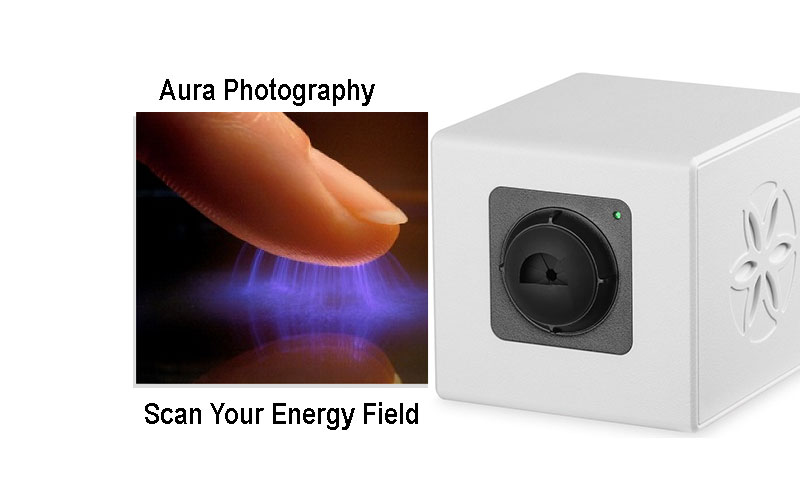
- The Bio-Well camera is based on Gas Discharge Visualization (GDV), a technology developed by Dr. Konstantin Korotkov in Russia.
- It works by applying a high-intensity electromagnetic field around a fingertip placed on a glass electrode.
- This field excites the gas molecules around the skin, producing a corona discharge (a tiny glow of ionized gas), which the camera captures as an image.
What It Actually Captures
- The camera records the light patterns and electron discharge from your skin’s surface.
- Software then analyzes these patterns and translates them into colorful representations, sometimes shown as an “aura” image around a body outline.
- Practitioners interpret this as reflecting energy balance, stress levels, or organ function — but these are interpretations, not direct measurements of an “aura.”
Scientific Perspective
- The images are real, but they show electrical and gas discharge activity, not a mystical aura.
- Factors like skin moisture, sweat, pressure, temperature, and even the room’s humidity can change the patterns.
- Many scientists classify it as bioelectrography, not proof of an invisible energy field.
Holistic / Alternative View
- In wellness and metaphysical circles, the Bio-Well images are seen as visualizations of the aura or energy body.
- Practitioners use it to assess stress, emotional state, or chakra balance.
- Some studies suggest correlations with physiological or psychological states, but mainstream science remains skeptical.
So, can you really photograph an aura?
- Yes, in the sense that the Bio-Well camera produces real, colorful images based on your body’s electrical responses.
- Yes, the Bio-Well GDV camera captures a real, measurable physical effect (corona discharge).
Conclusion: The Intersection of Science and Spirituality
Aura photography exists at the fascinating intersection of science and spirituality, inviting us to explore the mysteries of human energy and emotion. While the scientific validity of aura photography continues to be debated, its allure lies in its ability to offer insights into the unseen dimensions of our existence. Whether one views aura photography as a spiritual tool or a scientific curiosity, it serves as a reminder of the complexity and wonder of the human experience.
As we continue to explore the potential of aura photography, we are reminded of the importance of remaining open to new ideas and perspectives. By embracing both scientific inquiry and spiritual exploration, we can deepen our understanding of ourselves and the world around us.
If you’ve ever been curious about the energies that surround you, consider exploring aura photography for yourself. Whether as a tool for personal insight or a journey into the unknown, aura photography offers a unique opportunity to connect with the unseen world. Join us in this exploration, and discover what your aura has to reveal.