Introduction to Energy Photography
In recent years, the concept of capturing a person’s energy through photography has captivated the interest of both the scientific community and the general public. This intriguing idea, often referred to as energy photography or energy imaging, raises questions about the very nature of human energy and its visibility. As we delve into this fascinating topic, we’ll explore whether the elusive aura or energy field surrounding a person can indeed be captured on film or digital media.
The journey into energy photography is not merely a pursuit of capturing interesting images; it represents a deeper quest to understand the unseen forces that may influence our lives. As a writer passionate about the intersection of science and spirituality, I have long been fascinated by the idea that photography can reveal aspects of the human condition that are otherwise invisible. This article aims to explore the science behind energy imaging, examining the possibilities and limitations of this emerging field.
In our exploration, we’ll touch on various aspects of energy photography, including the devices used, the science supporting such claims, and the potential applications and criticisms of this practice. Through a comprehensive examination, we hope to uncover whether energy photography holds the key to understanding the unseen dimensions of our existence or if it remains a speculative endeavor.
Understanding Energy: What Does It Mean?
At the heart of energy photography lies the concept of energy itself. In scientific terms, energy is defined as the capacity to do work. It manifests in various forms, such as kinetic, thermal, electrical, and chemical energy. However, when we speak of a person’s energy in the context of energy imaging, we are often referring to more abstract notions like auras, biofields, and subtle energies that are not easily measured by conventional scientific instruments.
The idea that humans possess an energy field is not new. Many ancient cultures, from the Chinese with their concept of “Qi” to the Indian notion of “Prana,” have long believed in the existence of a life force that animates all living beings. These beliefs, although rooted in spirituality and traditional medicine, continue to influence modern interpretations of energy in the context of health and well-being.
In contemporary discussions, the term “biofield” is often used to describe the complex energy systems surrounding the human body. This biofield is thought to interact with and influence our physical, mental, and emotional health. While the scientific community remains divided on the existence and nature of the biofield, it forms a key component of the debate surrounding energy photography.
The Concept of Energy Imaging
Energy imaging, or the attempt to capture a person’s energy field visually, is based on the premise that our biofield can be made visible using specialized techniques and equipment. This concept has its roots in the work of Semyon Kirlian, a Russian inventor who, in the 1930s, discovered that photographing objects with high-voltage electrical fields produced striking images resembling auras.
Kirlian photography, as it came to be known, sparked widespread interest and debate. The ethereal images produced by the technique were thought to capture the life force or energy field of the object being photographed. Although the scientific basis of Kirlian photography remains contentious, it laid the groundwork for future exploration into energy imaging.
Today, energy imaging has evolved beyond Kirlian photography, incorporating digital technologies and advanced imaging devices. Researchers and practitioners utilize various techniques to capture what they believe to be the human energy field, each claiming to provide insights into an individual’s health, emotions, or spiritual state. Despite the technological advancements, the fundamental question remains: can a person’s energy be truly photographed, or are these images mere artifacts of the methods used?
Can a Person’s Energy Be Photographed?
The central question of whether a person’s energy can be photographed is both a scientific and philosophical inquiry. While traditional photography captures light reflected off physical objects, energy photography seeks to visualize something that is not typically visible to the naked eye. This challenge requires innovative approaches and an open mind to explore possibilities beyond conventional understanding.
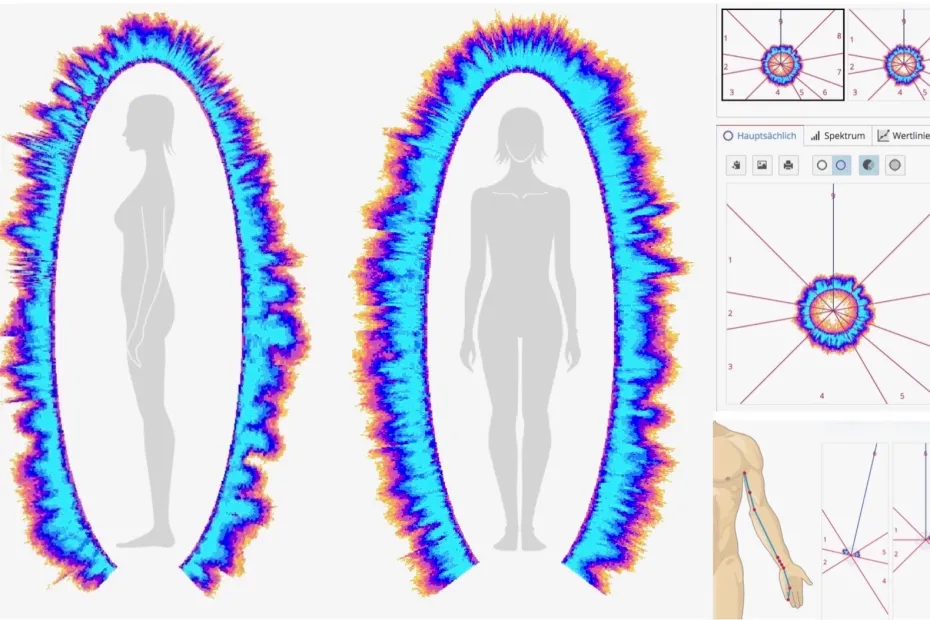
Proponents of energy photography argue that the images produced by devices like the Bio Well Camera Device demonstrate the presence of an energy field. These devices claim to capture the biofield by measuring the discharge of photons and electrons from the skin’s surface, translating these measurements into images that reflect an individual’s energetic state. However, skeptics question whether these images truly represent an energy field or are simply artifacts resulting from the interaction of electrical currents with the body.
Despite the ongoing debate, the allure of energy photography lies in its potential to bridge the gap between science and spirituality. For those who believe in the existence of a biofield, energy images offer a tangible representation of something deeply personal and intangible. Whether these images possess scientific validity or serve as symbolic interpretations of one’s energetic state, the quest to photograph a person’s energy continues to inspire curiosity and exploration.
The Science Behind Energy Imaging
Understanding the science behind energy imaging requires an examination of the principles and technologies employed in capturing these elusive images. At the core of many energy imaging techniques is the use of high-voltage electrical fields and advanced sensors to detect subtle emissions from the body. These emissions, primarily in the form of photons, are believed to correspond to the biofield’s characteristics.
Devices like the Bio Well Camera Device employ a method known as Gas Discharge Visualization (GDV), which involves placing a person’s fingertips on a glass electrode while applying a high-voltage electrical field. The resulting discharge of photons is captured by a digital camera, producing an image that represents the energy field surrounding the individual. Proponents claim that these images can provide insights into a person’s physical and emotional health, as well as their spiritual state.
Critics argue that the science behind energy imaging lacks rigorous validation and is often based on subjective interpretations. The variability in results and the influence of external factors, such as humidity and temperature, raise questions about the reliability and accuracy of these images. Despite these challenges, the pursuit of energy imaging continues to attract researchers and practitioners eager to unlock the mysteries of the human energy field.
The Bio Well Camera Device: How It Works
The Bio Well Camera Device represents a significant advancement in the field of energy photography, offering a modern approach to capturing the human biofield. Developed by Dr. Konstantin Korotkov, a physicist and researcher in bioelectrography, the Bio Well Camera Device utilizes cutting-edge technology to visualize the energy emissions from the body.
The process begins with the placement of a person’s fingertips on a glass electrode connected to the device. A high-voltage electrical field is then applied, causing a discharge of photons and electrons from the skin. This discharge is captured by a specialized digital camera, which translates the data into a visual representation of the individual’s energy field. The resulting image, often referred to as an “aura” or energy map, is analyzed to provide insights into the person’s energetic state.
While the Bio Well Camera Device has gained popularity among practitioners of alternative medicine and holistic therapies, its scientific validity remains a topic of debate. Critics argue that the images produced may be influenced by factors unrelated to the biofield, such as sweat or skin conductivity. Nevertheless, the Bio Well Camera Device continues to be a focal point for those interested in exploring the potential of energy photography.

Applications of Energy Photography
Energy photography, while still a burgeoning field, offers a range of potential applications that intrigue both practitioners and researchers. One of the primary uses is in the realm of health and wellness, where energy images are used to assess an individual’s energetic balance and identify areas of potential concern. Practitioners of holistic medicine and alternative therapies often incorporate energy imaging into their diagnostic processes, using the insights gained to tailor treatments and interventions.
In addition to health applications, energy photography holds promise in the field of personal development and spiritual growth. Many individuals seek to understand their energetic state as a means of enhancing self-awareness and fostering personal transformation. By providing a visual representation of one’s energy field, energy photography can serve as a tool for reflection and introspection, helping individuals gain insights into their emotional and spiritual well-being.
Beyond individual applications, energy photography also has potential implications for research in the fields of consciousness and biofield science. By exploring the relationship between the biofield and various physical, emotional, and environmental factors, researchers hope to uncover new insights into the interconnectedness of mind, body, and spirit. As the field of energy photography continues to evolve, its applications may expand, offering new opportunities for exploration and discovery.
Limitations and Criticisms of Energy Imaging
Despite the potential applications and growing interest in energy photography, the field is not without its limitations and criticisms. One of the primary challenges is the lack of standardized methodologies and rigorous scientific validation. The variability in results and the influence of external factors, such as environmental conditions and individual physiology, raise questions about the reliability and accuracy of energy images.
Critics also point to the subjective nature of interpreting energy images, which often relies on the intuition and expertise of the practitioner. The lack of objective criteria for assessing the biofield and the reliance on anecdotal evidence contribute to skepticism within the scientific community. Additionally, the commercial aspects of energy imaging, including the sale of devices and services, raise concerns about the potential for exploitation and misinformation.
Despite these criticisms, energy photography continues to attract interest and exploration. Advocates argue that the field is still in its infancy and that ongoing research and technological advancements may address current limitations. As the dialogue between science and spirituality continues, energy photography remains a compelling area of inquiry, offering the promise of new insights into the nature of human energy.
The Future of Energy Photography
The future of energy photography is marked by both challenges and opportunities. As the field continues to evolve, researchers and practitioners are exploring new technologies and methodologies to enhance the accuracy and reliability of energy images. Advances in digital imaging, sensor technology, and data analysis may pave the way for more standardized approaches to capturing and interpreting the human biofield.
In addition to technological advancements, the future of energy photography may also involve greater collaboration between scientists, practitioners, and spiritual communities. By fostering dialogue and research across disciplines, the field may gain a deeper understanding of the biofield and its implications for health, well-being, and consciousness. This interdisciplinary approach may also help bridge the gap between science and spirituality, offering a more holistic perspective on the nature of human energy.
As we look to the future, energy photography holds the potential to transform our understanding of the human experience. Whether through its applications in health, personal development, or scientific research, energy photography offers a unique lens through which to explore the interconnectedness of mind, body, and spirit. As new discoveries unfold, the field may continue to inspire curiosity, innovation, and exploration.
FAQs
1. What is energy photography?
Energy photography refers to the practice of capturing a person’s energy field, or biofield, using specialized techniques and equipment. It aims to visualize the subtle energies surrounding an individual, often for purposes related to health, personal development, or spiritual growth.
2. How does the Bio Well Camera Device work?
The Bio Well Camera Device uses a method called Gas Discharge Visualization (GDV) to capture the energy emissions from the body. By applying a high-voltage electrical field to a person’s fingertips, the device causes a discharge of photons and electrons, which is then captured by a digital camera to produce an image of the individual’s energy field.
3. Is energy photography scientifically validated?
The scientific community remains divided on the validity of energy photography. While some researchers and practitioners support its potential applications, critics argue that the lack of standardized methodologies and rigorous validation raises questions about its reliability and accuracy.
4. Can energy images provide insights into health and well-being?
Proponents of energy photography believe that the images produced can offer insights into an individual’s energetic balance and potential areas of concern. However, the interpretation of these images often relies on the intuition and expertise of the practitioner, and their use should be considered within the broader context of health and wellness practices.
5. What are the limitations of energy photography?
Limitations of energy photography include the variability in results, the influence of external factors, and the subjective nature of interpreting energy images. Additionally, the lack of standardized methodologies and scientific validation presents challenges to its acceptance within the scientific community.
Conclusion: The Intersection of Science and Spirituality
In conclusion, the exploration of energy photography represents a fascinating intersection of science and spirituality. While the question of whether a person’s energy can be photographed remains open to debate, the pursuit of energy imaging offers a unique lens through which to explore the unseen dimensions of human existence. As we continue to investigate the mysteries of the biofield and its implications for health, well-being, and consciousness, energy photography may serve as a bridge between the tangible and the intangible.
For those intrigued by the potential of energy photography, I encourage you to explore this captivating field further. Whether through personal experimentation, collaboration with practitioners, or engagement with ongoing research, there are countless opportunities to deepen your understanding of the human biofield and its role in shaping our lives. By embracing the possibilities of energy photography, we can embark on a journey of discovery that transcends the boundaries of science and spirituality. If you’re curious about exploring energy photography for yourself, consider reaching out to a practitioner or attending a workshop to experience the process firsthand. Embrace the opportunity to discover more about your own energy field and how it may influence your well-being and personal growth.

Maxsdigit SEO Company and Digital Marketing Agency, Mumbai, India