Introduction to Kirlian Photography
Kirlian photography is one of those fascinating phenomena that captures the imagination and curiosity of both science enthusiasts and artists alike. At the intersection of art, science, and the mystical, Kirlian photography offers a unique perspective on the world around us. Often referred to as “aura photography,” it captures the luminescent corona surrounding objects and living beings. But what exactly is it that makes Kirlian photography so intriguing?
In my exploration of Kirlian photography, I’ve found that it taps into a deep-seated human desire to see beyond the visible spectrum, to uncover hidden layers of reality. This form of photography is not just about capturing images; it’s about capturing the unseen energy fields that some believe surround all living things. From the bright flares of a leaf to the subtle glow of a fingertip, Kirlian photography provides a glimpse into a world that’s typically invisible to the naked eye.
This article will delve into the enigmatic world of Kirlian photography, exploring its history, the science behind it, and the controversies that surround it. We’ll also look at its modern applications and future potential in both scientific and artistic fields. Whether you’re a skeptic or a believer, there’s no denying that Kirlian photography opens up a fascinating dialogue between science and the spiritual.
What is Kirlian Photography?
Kirlian photography, often misunderstood, is a technique that captures the electrical coronal discharge of an object. This discharge is sometimes perceived as an “aura,” and the images produced can be both beautiful and mysterious. The process involves placing an object on a photographic plate and applying a high-frequency electrical field to create the image. The resulting photograph reveals an ethereal glow that seems to outline the object.
The appeal of Kirlian photography lies in its ability to visualize what some consider the energy fields of living organisms. Many practitioners claim that these images can reveal insights into a person’s health and emotional state. However, the scientific community remains skeptical, often attributing the images to moisture and other physical factors rather than spiritual energy.
Despite the skepticism, the allure of Kirlian photography endures. For many, it represents a bridge between the scientific and the mystical, a tangible representation of the intangible. Whether viewed as a legitimate scientific tool or a pseudo-scientific curiosity, Kirlian photography continues to captivate those who seek to understand the unseen forces at play in our universe.
The History of Kirlian Photography
The story of Kirlian photography dates back to the late 19th century, with early experiments in electrical photography. However, it wasn’t until the mid-20th century that the technique gained widespread attention. In 1939, a Russian electrician named Semyon Kirlian, along with his wife Valentina, discovered the process quite by accident. While working with high-frequency electrical equipment, they noticed a glow surrounding their hands when placed near an energized object.
Intrigued by their discovery, the Kirlians began experimenting with different materials and photographic techniques to capture this glow on film. Their work culminated in a series of stunning images that showcased the electrical coronal discharge of various objects. The Kirlians believed that their technique could reveal the “aura” of living beings, sparking interest and debate within both scientific and metaphysical communities.
The Kirlians’ work remained relatively obscure until the 1970s when it gained popularity in the West. As interest in alternative science and spirituality grew, so did curiosity about Kirlian photography. Despite its controversial status, the technique has persisted, evolving with advances in technology and continuing to inspire both artists and scientists.
Who Invented Kirlian Photography?
When we ask “Who invented Kirlian photography?”, the answer is undoubtedly Semyon and Valentina Kirlian. Their serendipitous discovery in 1939 paved the way for a whole new realm of photographic exploration. It was their curiosity and persistence that led to the development of a technique that would captivate imaginations worldwide.
Semyon Kirlian, an electrician by trade, brought a practical understanding of electricity to the table, while Valentina, a teacher, had a keen eye for detail and documentation. Together, they formed a formidable team, combining their skills to refine the technique and produce compelling images. Their work was initially met with skepticism from the scientific community but found a receptive audience among those interested in parapsychology and alternative healing.
The legacy of the Kirlians’ invention is still felt today. While their original claims about capturing auras remain controversial, their contribution to the art and science of photography is undeniable. The Kirlians showed us that sometimes, the most remarkable discoveries are born out of curiosity and a willingness to look beyond the ordinary.
The Science Behind Kirlian Photography
The science behind Kirlian photography is both fascinating and complex, involving principles of physics and electromagnetism. At its core, the process involves using a high-voltage, high-frequency electrical field to create a coronal discharge around an object. This discharge is what produces the luminous glow captured in Kirlian photographs.
When an object is placed on a photographic plate and subjected to an electrical field, the field ionizes the air around the object. This ionization causes the air molecules to emit light, creating the characteristic glow. It’s important to note that this glow is not an “aura” in the mystical sense but rather a natural phenomenon resulting from the interaction between electricity and matter.
While the scientific explanation demystifies some aspects of Kirlian photography, it doesn’t diminish its allure. The images produced are undeniably striking, often resembling colorful, ghostly halos around the subject. As we continue to explore the boundaries of science and art, Kirlian photography remains a testament to the beauty and complexity of the natural world.
The Bio Well Camera: Innovations in Kirlian Photography
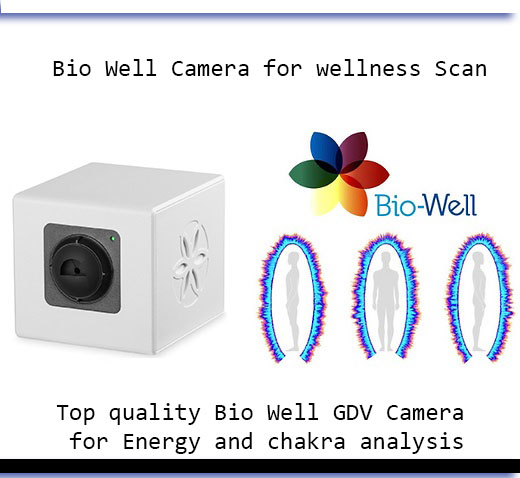
In recent years, advancements in technology have led to innovations in Kirlian photography, one of the most notable being the Bio Well Camera. Developed by Dr. Konstantin Korotkov, the Bio Well Camera utilizes Gas Discharge Visualization (GDV) technology, building upon the principles of Kirlian photography to provide more detailed and quantifiable data.
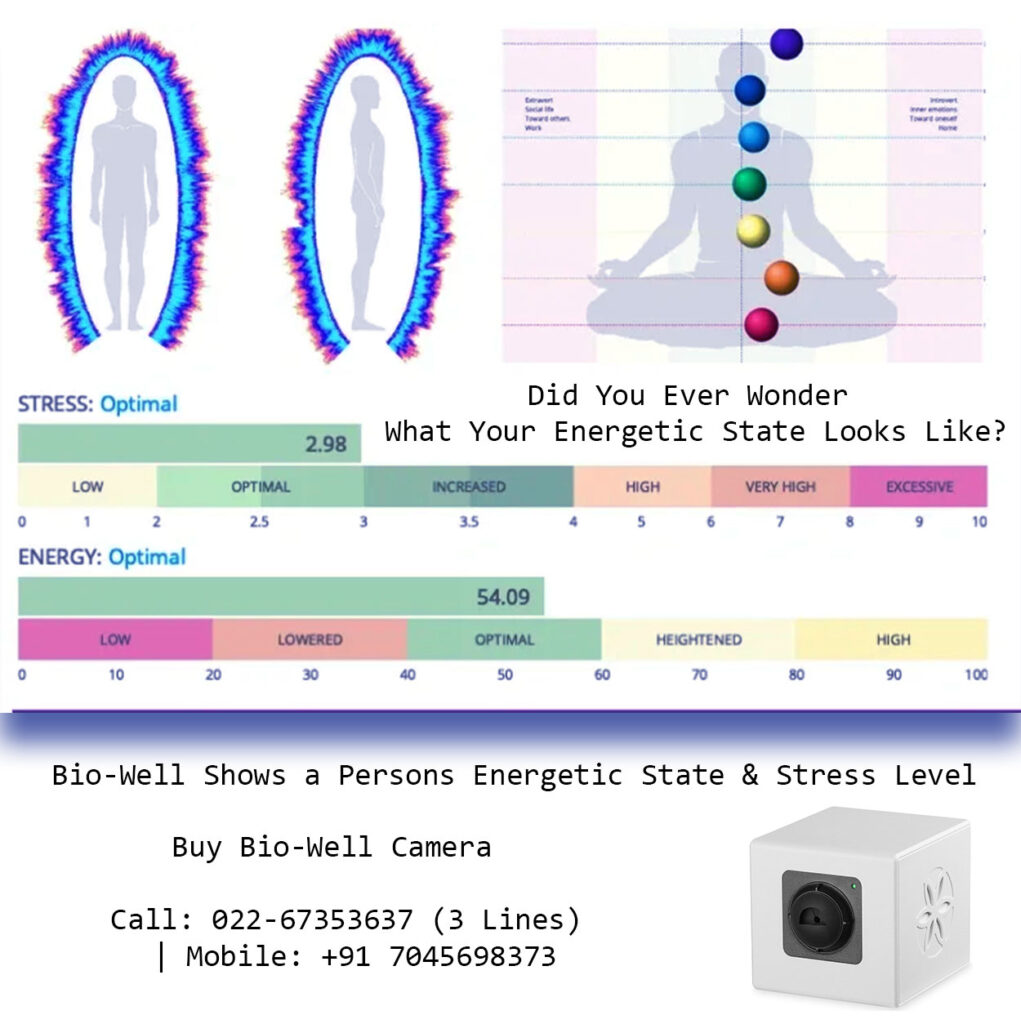
The Bio Well Camera offers a modern approach to capturing the energetic patterns of living organisms. By integrating software analysis with GDV technology, it allows users to visualize and measure the energy fields of individuals. This innovation has opened new avenues for research in fields such as health, wellness, and even sports performance, where practitioners assess energy patterns to tailor interventions.
Despite its advancements, the Bio Well Camera remains a subject of debate. Critics argue that the interpretations of the images are subjective and lack scientific rigor. Nonetheless, the Bio Well Camera represents a significant step forward in the ongoing exploration of Kirlian photography, blending traditional techniques with modern technology to uncover new insights.
Applications of Kirlian Photography
Kirlian photography has found applications across various fields, from art and alternative medicine to scientific research. Its ability to capture the unseen aspects of living organisms has made it a tool of interest for those working in holistic health practices. Some practitioners use Kirlian photography to assess the energetic state of their clients, claiming it can reveal stress, emotional imbalances, or even disease.
In the art world, Kirlian photography offers a unique medium for creative expression. Artists are drawn to its ethereal quality, using it to explore themes of life, energy, and spirituality. The striking images produced by Kirlian photography serve as a reminder of the beauty and mystery inherent in nature, inspiring viewers to see the world from a different perspective.
Scientific research also benefits from Kirlian photography, although its use is often met with skepticism. Researchers have explored its potential in studying plant physiology, material conductivity, and even the effects of various treatments on human health. While the scientific community remains divided on its efficacy, the diverse applications of Kirlian photography continue to invite inquiry and experimentation.
Criticisms and Controversies Surrounding Kirlian Photography
Kirlian photography has been the subject of much debate, with criticisms primarily focused on its scientific credibility. Many skeptics argue that the images produced are not evidence of a mystical “aura” but rather the result of physical phenomena such as moisture, pressure, and temperature. The lack of reproducible scientific studies supporting its claims has led to its classification as a pseudoscience by many in the scientific community.
Despite these criticisms, proponents of Kirlian photography maintain that it provides valuable insights into the energetic state of living beings. They argue that the technique offers a unique perspective on health and wellness that mainstream science has yet to fully understand or appreciate. This divide between supporters and skeptics has fueled ongoing discussions about the role of Kirlian photography in both science and alternative healing practices.
The controversies surrounding Kirlian photography highlight the challenges of exploring the boundaries between science and spirituality. While its scientific validity may be contested, the emotional and artistic impact of Kirlian photography is undeniable. It invites us to question our understanding of reality and consider the possibility of forces beyond our current comprehension.
Future of Kirlian Photography in Science and Art
The future of Kirlian photography lies in its ability to adapt and evolve with technological advancements. As new tools and methods emerge, the potential for deeper exploration and understanding grows. In the scientific realm, further studies could provide more definitive insights into its validity and applications, potentially bridging the gap between mainstream science and alternative practices.
In the art world, Kirlian photography will continue to inspire creativity and innovation. Its unique aesthetic and capacity to capture the unseen make it an enduring medium for artists seeking to explore concepts of energy and spirituality. As we move forward, the integration of digital technology may enhance the creative possibilities of Kirlian photography, allowing for even more dynamic and interactive expressions.
Ultimately, the future of Kirlian photography will depend on our willingness to embrace new ideas and challenge existing paradigms. Whether as a scientific tool, an artistic medium, or a spiritual practice, Kirlian photography will continue to captivate those who seek to understand the invisible forces that shape our world.
FAQs
1. What is Kirlian photography?
Kirlian photography is a technique that captures the electrical coronal discharge of an object, often perceived as an aura. It involves placing an object on a photographic plate and applying a high-frequency electrical field to create the image.
2. Who invented Kirlian photography?
Kirlian photography was invented by Semyon and Valentina Kirlian in 1939. Their discovery led to the development of a technique that captures the luminous glow surrounding objects and living beings.
3. What is the Bio Well Camera?
The Bio Well Camera is an innovation in Kirlian photography, developed by Dr. Konstantin Korotkov. It uses Gas Discharge Visualization (GDV) technology to capture and analyze the energy fields of living organisms.
4. What are the criticisms of Kirlian photography?
Critics argue that Kirlian photography lacks scientific credibility, with images attributed to physical phenomena rather than mystical auras. The lack of reproducible scientific studies has led to skepticism about its claims.
5. How is Kirlian photography used in art?
In art, Kirlian photography offers a unique medium for creative expression, allowing artists to explore themes of life, energy, and spirituality through its ethereal quality.
Conclusion: The Legacy of Kirlian Photography
Kirlian photography stands at the crossroads of science, art, and mysticism, offering a fascinating glimpse into the unseen world. Its legacy is one of curiosity and exploration, challenging us to question our understanding of reality and consider the possibility of forces beyond our current comprehension. Whether you view it as a scientific tool, an artistic medium, or a spiritual practice, Kirlian photography invites us to see the world from a different perspective.
As we continue to explore the mysteries of Kirlian photography, I encourage you to stay curious and open-minded. Whether you’re a skeptic or a believer, there’s always more to discover. Share this article with others who might be interested in this captivating subject, and let’s keep the conversation going. Together, we can uncover the hidden layers of our universe and appreciate the beauty of the unseen. If you’re intrigued by the mysteries of Kirlian photography and want to delve deeper, consider experimenting with your own Kirlian photography setup or visiting an exhibit. Share your thoughts and experiences in the comments below, and let’s explore the unseen together!

SEO Company and Digital Marketing Agency Maxsdigit, Mumbai, India