Which is the best example of holistic care?
Understanding Holistic Care: A Comprehensive Overview
Holistic care is an approach to health and wellness that considers the whole person, including their physical, emotional, social, and spiritual well-being. Unlike traditional methods that focus solely on treating symptoms, holistic care aims to address the root causes of health issues, promoting overall balance and harmony. This integrative approach often involves a combination of conventional and alternative therapies, emphasizing the interconnectedness of the body, mind, and spirit.
One of the core principles of holistic care is patient-centeredness. It recognizes that each individual is unique, with distinct needs and preferences. Practitioners of holistic care spend considerable time understanding their patients’ lifestyles, stressors, and goals. This personalized attention helps to create tailored treatment plans that align with the patient’s values and aspirations, fostering a collaborative healing process.
Holistic care also emphasizes prevention and self-care. By educating patients about lifestyle choices, nutrition, and stress management, practitioners empower individuals to take an active role in their health. This proactive approach not only helps prevent illness but also enhances quality of life, making holistic care a sustainable and empowering path to well-being.
Which is the Best Example of Holistic Care?
Identifying the best example of holistic care involves understanding the integration of various modalities that address the totality of a person’s needs. The most exemplary holistic care models seamlessly blend traditional medicine with complementary therapies such as acupuncture, massage, and nutritional counseling, all tailored to an individual’s specific health concerns.
For instance, a cancer treatment center that offers chemotherapy alongside yoga, meditation, and nutritional guidance exemplifies holistic care. By addressing the physical, emotional, and nutritional needs of cancer patients, such centers provide comprehensive support that enhances treatment efficacy and improves quality of life. This integrative approach not only helps in managing side effects but also promotes mental and emotional resilience.
Another notable example is integrative primary care clinics, where practitioners collaborate to deliver a full spectrum of services. These clinics often include medical doctors, naturopaths, chiropractors, and therapists working together to address a wide range of health issues. The collaborative nature of these teams ensures that patients receive well-rounded care that considers all aspects of their well-being, making it a prime example of holistic care in action.
The Role of Technology in Holistic Care
As holistic care continues to evolve, technology plays a pivotal role in enhancing its delivery and effectiveness. Digital health tools, telemedicine, and health apps are revolutionizing the way holistic care is provided, making it more accessible and personalized. These technological advancements allow practitioners to monitor patients’ health remotely, offer virtual consultations, and provide real-time feedback, thus expanding the reach of holistic care.
Wearable devices, such as fitness trackers and smartwatches, are increasingly being used to support holistic health. These devices monitor various health metrics, such as physical activity, sleep patterns, and heart rate, providing valuable data that can be used to tailor treatment plans. By integrating this data into holistic care approaches, practitioners can offer more precise and individualized guidance to patients, enhancing the overall effectiveness of care.
Furthermore, technology facilitates the education and empowerment of patients. Online platforms and mobile applications offer resources on nutrition, meditation, and lifestyle modifications, enabling individuals to make informed decisions about their health. This access to information empowers patients to take charge of their well-being, aligning with the core principles of holistic care.
Exploring the Bio Well GDV Camera for Holistic Care
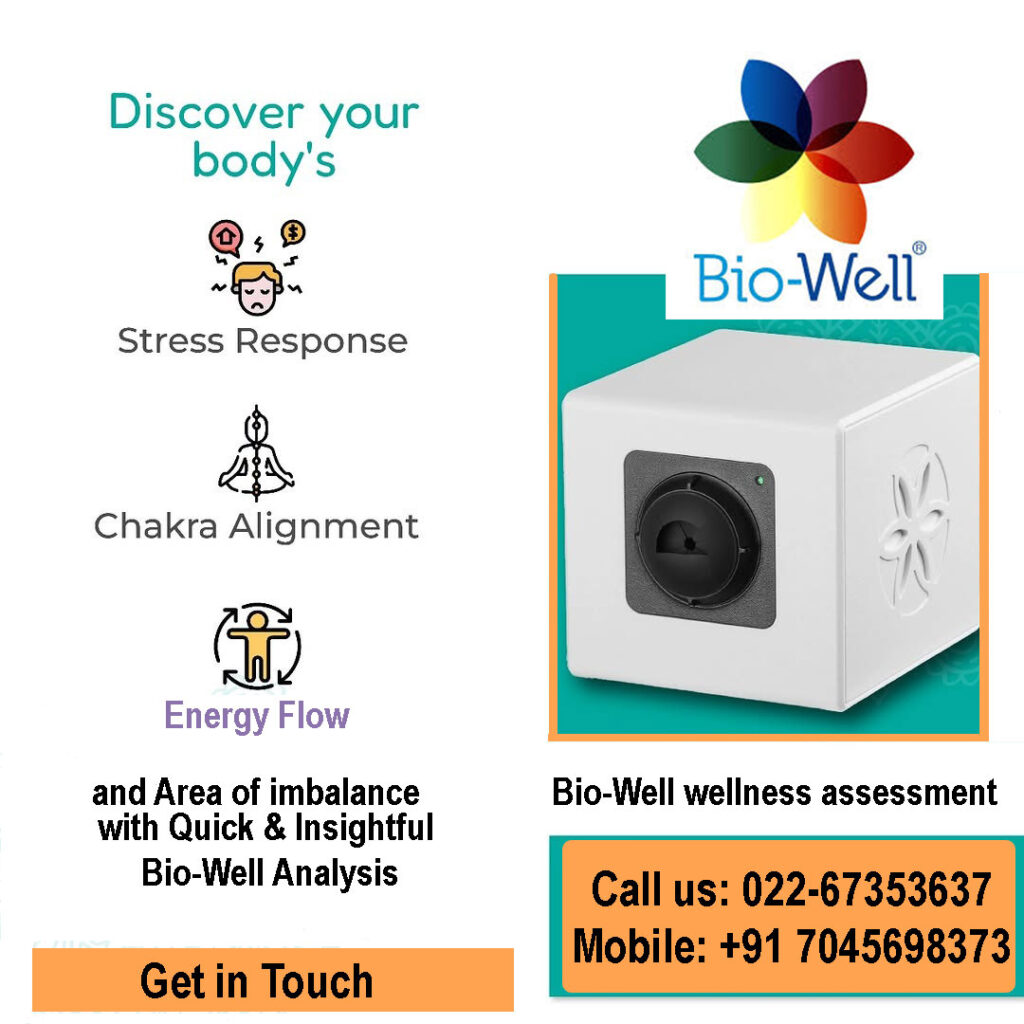
The Bio Well GDV Camera is an innovative tool in the realm of holistic care, providing insights into a person’s energetic state. This technology captures images of the biofield, offering a comprehensive view of an individual’s physical, emotional, and spiritual health. By analyzing these images, practitioners can identify imbalances and tailor interventions to restore harmony.
One of the key benefits of the Bio Well GDV Camera is its ability to detect stress and energy blockages before they manifest as physical symptoms. This proactive approach allows for early intervention, preventing potential health issues from developing. By addressing these imbalances early, practitioners can support the body’s natural healing processes, promoting overall well-being.
Moreover, the Bio Well GDV Camera serves as a powerful tool for patient education. By visualizing their energy fields, patients gain a deeper understanding of how their emotions and lifestyle choices impact their health. This awareness fosters a greater sense of responsibility and motivation to engage in health-promoting behaviors, aligning with the holistic care philosophy of empowering individuals to take charge of their health.
Holistic Care Practices: A Global Perspective
Holistic care practices vary widely across the globe, reflecting the diverse cultural beliefs and health systems in different regions. In Asia, traditional medicine systems such as Ayurveda and Traditional Chinese Medicine (TCM) have long embraced holistic principles. These practices emphasize balance and harmony, using natural remedies, diet, and lifestyle modifications to promote health and prevent disease.
In the Western world, the integration of holistic practices into conventional healthcare is becoming increasingly common. Countries like the United States and the United Kingdom are witnessing a growing trend of incorporating complementary therapies such as acupuncture, chiropractic care, and herbal medicine into mainstream medical settings. This blending of approaches enhances patient outcomes and provides a more comprehensive framework for health management.
Africa and South America also offer unique perspectives on holistic care. Indigenous healing practices in these regions often involve spiritual rituals, herbal medicine, and community support. These traditions highlight the importance of cultural context in holistic care, demonstrating how diverse approaches can be integrated to address the totality of an individual’s needs.
Holistic Care in India: Trends and Developments
India, with its rich history of Ayurveda and yoga, is a beacon of holistic care. These ancient practices form the cornerstone of the country’s health system, offering a comprehensive approach to wellness that balances physical, mental, and spiritual health. Ayurveda, in particular, emphasizes individualized treatment plans that consider a person’s unique constitution, lifestyle, and environment.
Recent trends in India indicate a resurgence of interest in holistic care, driven by a growing recognition of its benefits. The government has been actively promoting Ayurveda and yoga through initiatives such as the Ministry of AYUSH (Ayurveda, Yoga & Naturopathy, Unani, Siddha, and Homeopathy). This support has led to an increase in research, education, and accessibility, making holistic care more widely available to the population.
Additionally, modern technology is playing a crucial role in advancing holistic care in India. Telemedicine platforms are bridging the gap between traditional practitioners and tech-savvy patients, facilitating remote consultations and personalized guidance. This integration of technology with ancient wisdom represents a promising development in the evolution of holistic care, ensuring its continued relevance in the modern world.
Benefits of Holistic Care Approaches
Holistic care offers numerous benefits, making it an attractive option for individuals seeking a comprehensive approach to health and well-being. One of the primary advantages is its focus on prevention and self-care. By addressing lifestyle factors such as nutrition, exercise, and stress management, holistic care helps prevent illness and promotes long-term health.
Another significant benefit is the personalized nature of holistic care. Practitioners take the time to understand each patient’s unique needs and preferences, tailoring treatment plans accordingly. This personalized attention fosters a strong therapeutic relationship between practitioner and patient, enhancing the effectiveness of interventions and promoting patient satisfaction.
Holistic care also addresses the emotional and spiritual aspects of health, which are often overlooked in conventional medicine. By incorporating practices such as meditation, mindfulness, and spiritual counseling, holistic care supports emotional resilience and mental well-being. This comprehensive approach not only enhances quality of life but also contributes to a deeper sense of fulfillment and purpose.
Challenges in Implementing Holistic Care
Despite its benefits, implementing holistic care presents several challenges. One of the primary obstacles is the lack of standardization and regulation in the field. With a wide variety of practices and modalities, it can be challenging to ensure consistency and quality of care. This lack of regulation also poses challenges in terms of insurance coverage and accessibility, as many holistic therapies are not covered by traditional health insurance plans.
Another challenge is the integration of holistic care into conventional medical settings. Many healthcare professionals may lack training or understanding of holistic approaches, leading to skepticism and resistance. This can hinder collaboration between conventional and holistic practitioners, limiting the potential for integrative care models.
Furthermore, there is a need for more research and evidence to support the efficacy of holistic care approaches. While many practices have a long history of traditional use, scientific studies are needed to validate their effectiveness and safety. This research is essential to gaining acceptance within the broader medical community and ensuring that patients receive the highest standard of care.
Future of Holistic Care: Innovations and Predictions
The future of holistic care is bright, with numerous innovations and trends shaping its evolution. One of the most promising developments is the integration of artificial intelligence and machine learning into holistic care practices. These technologies have the potential to analyze vast amounts of data, providing insights into health patterns and enabling personalized treatment recommendations.
Telehealth and virtual reality are also set to play a significant role in the future of holistic care. These technologies can enhance patient engagement and education, offering immersive experiences that promote relaxation, mindfulness, and stress reduction. By making holistic care more accessible and engaging, these innovations have the potential to revolutionize the way people approach their health and well-being.
Moreover, there is a growing emphasis on sustainability and environmental consciousness within holistic care. Practitioners and patients alike are becoming more aware of the impact of their choices on the planet, leading to an increased focus on eco-friendly practices and products. This shift towards sustainability aligns with the holistic care philosophy of harmony and balance, ensuring that the future of holistic care is not only effective but also environmentally responsible.
Conclusion: Embracing Holistic Care for Better Health
Embracing holistic care is a journey towards achieving optimal health and well-being. By considering the whole person and addressing the interconnectedness of the body, mind, and spirit, holistic care offers a comprehensive approach to health management. Whether through integrating traditional and alternative therapies, leveraging technology, or drawing on ancient practices, holistic care provides a path towards a healthier, more balanced life.
As we move forward, it is essential to continue exploring and expanding the possibilities of holistic care. By embracing innovation, fostering collaboration, and prioritizing patient-centered approaches, we can unlock its full potential and transform healthcare for the better. Let us commit to supporting holistic care initiatives, advocating for research and education, and empowering individuals to take charge of their health.
Call to Action: If you’re intrigued by the benefits of holistic care and want to explore how it can enhance your well-being, consider consulting with a holistic practitioner or visiting a holistic health center. Engage in practices that resonate with you, whether it’s yoga, meditation, or nutrition, and experience the transformative power of holistic care. Together, we can build a healthier, more harmonious future.