The holistic health model is a comprehensive approach to health and wellness that considers the whole person—body, mind, spirit, and emotions—in the pursuit of optimal well-being. Rather than focusing solely on physical symptoms or diseases (as in the traditional biomedical model), the holistic model emphasizes the interconnectedness of various dimensions of a person’s life and how imbalances in one area can affect overall health.
Core Principles of the Holistic Health Model:
- Interconnectedness:
Physical health is deeply linked to mental, emotional, social, spiritual, and environmental factors. True health requires balance across all these domains. - Individualized Care:
Each person is unique, so holistic care is personalized to address an individual’s specific needs, lifestyle, beliefs, and circumstances. - Prevention and Wellness:
Emphasis is placed on preventing illness through healthy lifestyle choices, stress management, and self-awareness, rather than only treating disease after it appears. - Self-Responsibility:
Individuals are encouraged to take an active role in their own health through informed choices, self-care practices, and lifestyle modifications. - Integration of Modalities:
Holistic health often combines conventional medical treatments with complementary and alternative approaches (e.g., nutrition, acupuncture, mindfulness, yoga, counseling). - Healing vs. Curing:
While conventional medicine often aims to “cure” disease, holistic health focuses on “healing”—a process of becoming whole, which may occur even in the presence of chronic or terminal illness.
Dimensions of Holistic Health:
- Physical: Nutrition, exercise, sleep, medical care.
- Emotional: Awareness and management of feelings, emotional support.
- Mental/Cognitive: Mental clarity, learning, problem-solving, mindset.
- Social: Relationships, community involvement, communication.
- Spiritual: Sense of purpose, values, connection to something greater.
- Environmental: Living and working conditions, exposure to toxins, access to nature.
Applications:
Holistic health principles are applied in integrative medicine, functional medicine, naturopathy, wellness coaching, and many mental health practices. It’s increasingly recognized in mainstream healthcare as research continues to support the links between lifestyle, stress, and chronic disease.
In essence, the holistic health model views health as more than the absence of disease—it’s a dynamic state of balance and vitality across all aspects of a person’s life.
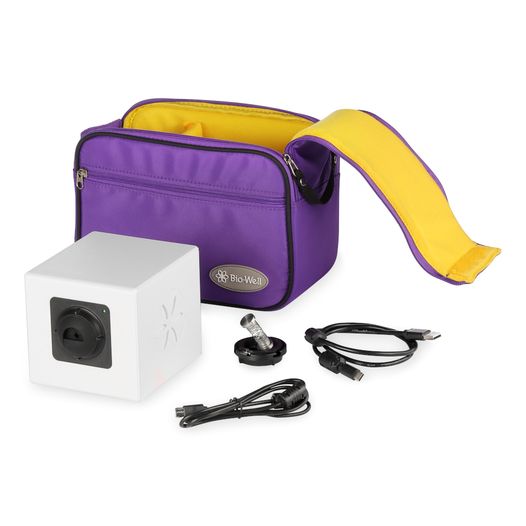
The holistic health model views health as a dynamic balance among physical, emotional, mental, spiritual, and environmental dimensions. When integrated with specific technologies like the Bio-Well camera, GDV (Gas Discharge Visualization) device, and Kilian photography, this model gains a unique energetic and biofield-based dimension, allowing practitioners to assess and support wellness through subtle energy patterns.
Here’s how these tools align with and enhance the holistic health model:
1. Bio-Well Camera & GDV Device – Mapping the Human Energy Field
- What it is:
The Bio-Well system (developed by Dr. Konstantin Korotkov) is a modern application of GDV (Gas Discharge Visualization) technology. It’s based on the principles of electrophotonic imaging, which captures the corona discharge (a faint light emission) around a person’s fingertips when exposed to a brief electrical pulse. - Holistic Connection:
- Interpreted through the lens of traditional energy systems (e.g., acupuncture meridians, chakras), each fingertip corresponds to an organ or energy channel.
- The GDV image reflects the state of the body’s biofield—an energy field believed in holistic traditions to influence physical and emotional health.
- Provides quantitative and visual data on stress levels, energy balance, emotional state, and organ system coherence.
- How it supports holistic health:
- Identifies energy imbalances before they manifest as physical symptoms.
- Assesses the impact of lifestyle, emotions, or therapies (e.g., meditation, nutrition) on the biofield.
- Encourages self-awareness and proactive wellness—core tenets of holistic care.
Note: While GDV is used in complementary and integrative settings, it is not a diagnostic medical device and is considered experimental or investigational by mainstream science.
2. Kilian Photography – Visualizing the Human Aura
- What it is:
Developed by French artist and researcher Antonin Kilian, Kilian photography (also called Kirlian-influenced bio-imaging) captures electro-photonic emissions from living subjects—often interpreted as the “aura” or bioenergy field. - Holistic Connection:
- Aligns with ancient concepts (e.g., prana, qi, aura) that view health as dependent on the flow and quality of life force energy.
- Colors, shapes, and intensity in the images are interpreted to reflect emotional states, vitality, or spiritual alignment.
- How it supports holistic health:
- Serves as a visual feedback tool for clients to see changes in their energy before/after healing sessions (e.g., Reiki, breathwork).
- Used in energy medicine, coaching, and spiritual counseling to foster introspection and energetic self-regulation.
Like GDV, Kilian photography is not scientifically validated as a clinical diagnostic tool but is valued in holistic and metaphysical communities for its symbolic and intuitive insights.
Integration in the Holistic Health Model
When combined, these technologies offer a multi-layered energetic assessment that complements traditional holistic practices:
| Dimension of Holistic Health | Supported by Bio-Well/GDV & Kilian Photography |
|---|---|
| Physical | Indirect insights via organ/meridian energy correlation |
| Emotional | Stress and emotional imbalance detected via energy field disruptions |
| Mental | Cognitive strain may appear as asymmetry or instability in emissions |
| Spiritual | Aura imagery interpreted for sense of purpose, connection, or inner harmony |
| Energetic/Biofield | Direct visualization of the human energy field (core focus) |
Important Considerations
- Not a substitute for medical diagnosis: These tools are best used as complementary wellness assessments, not replacements for clinical evaluation.
- Interpretation is subjective: Results often rely on practitioner experience and holistic frameworks (e.g., Traditional Chinese Medicine, Ayurveda).
- Growing interest in biofield science: Research into human biofields is ongoing, with institutions like the NIH’s National Center for Complementary and Integrative Health (NCCIH) exploring such frontiers.
In Summary
The holistic health model, when enhanced with Bio-Well/GDV and Kilian photography, expands beyond conventional biopsychosocial frameworks to include the energetic or biofield dimension of human health. These technologies offer visual, intuitive, and data-driven insights that empower individuals to explore deeper layers of well-being—aligning with the holistic principle that true health arises from harmony across all levels of being.