Introduction to Aura Photography
In the realm of spiritual exploration and metaphysical study, aura photography is a fascinating concept that has captivated the attention of many eager to unlock the mysteries of energy fields. As someone deeply interested in the interplay between science and spirituality, I find aura photography to be a compelling blend of both disciplines. This photographical technique aims to capture what many believe are the colors and energies surrounding a person, often referred to as their aura. But what exactly does this involve, and what can we learn from it?
As we delve into the world of aura photography, it’s essential to understand the broader concept of what an aura is. Historically, auras have been perceived as a subtle field of energy that surrounds living beings, reflecting their physical, emotional, and spiritual well-being. In various cultures, the aura is considered a window into the soul, offering insights into an individual’s personality, health, and even future. But how do we capture something so intangible in a photograph?
In this article, we will explore the intriguing journey of aura photography, from its origins and scientific underpinnings to its modern applications and common misconceptions. We will also examine the technology behind aura photography, such as the Kirlian photography, Bio Well Camera, and GDV Camera, shedding light on how these tools work and what they reveal about energy fields. Join me as we embark on this exploration of the unseen world that surrounds us all.
What is the Aura?
The concept of the aura has intrigued philosophers, mystics, and scientists for centuries. An aura is often described as a luminous, multi-colored energy field that envelops living beings. It is believed to reflect an individual’s physical state, emotional health, and spiritual condition. Auras are said to change in color and intensity based on a person’s experiences, thoughts, and feelings.
The idea of an aura is not new; it can be traced back to ancient civilizations. In Eastern traditions, such as Hinduism and Buddhism, the aura is associated with chakras, the energy centers within the body. Each chakra is believed to correspond to a specific color in the aura, indicating different aspects of the individual’s being. Meanwhile, in Western esoteric traditions, the aura is often linked to the concept of the etheric body, an energy layer surrounding the physical form.
Despite its mystical connotations, the aura has also attracted scientific interest. Researchers have sought to understand whether auras can be measured or observed objectively. While definitive scientific proof remains elusive, the exploration of auras has spurred the development of technologies like aura photography, which aim to visually represent these energy fields. By capturing the aura, these technologies provide a unique perspective on the interplay between the physical and metaphysical realms.
What is Aura Photography?
Aura photography is a unique method that attempts to capture the energy fields surrounding individuals, translating them into visual representations. Unlike traditional photography, which captures the physical appearance, aura photography seeks to depict the auric field, a halo of colors believed to exist around living beings. These images are said to provide insights into a person’s emotional and spiritual state.
The process of capturing an aura photograph typically involves the use of specialized equipment designed to detect and translate the energy emitted by the subject. This equipment often includes biofeedback sensors, which measure physiological indicators such as temperature, electro-dermal activity, and electromagnetic fields. These measurements are then processed to generate a colorful image that represents the subject’s aura.
While the validity of aura photography remains a topic of debate, it has gained popularity among those interested in metaphysical and holistic practices. Many people use aura photography as a tool for self-exploration, seeking to understand their inner energies and how they interact with the world. Whether regarded as a scientific endeavor or a spiritual practice, aura photography continues to fascinate those who wish to glimpse the unseen energies that surround us.
The Science Behind Aura Photography
The science behind aura photography is a blend of biophysical principles and technological innovation. At its core, aura photography relies on the concept that living beings emit electromagnetic fields, which can be measured and visualized. This idea forms the basis for various aura photography techniques, each employing different methods to capture and display the aura.
One of the key scientific principles involved is biofeedback, a process that measures physiological responses to provide information about the body’s state. In aura photography, biofeedback sensors are often used to detect changes in temperature, skin conductivity, and electromagnetic emissions. These physiological indicators are believed to correlate with the energy field surrounding the individual, allowing for the creation of a visual representation of the aura.
Despite the intriguing premise, the scientific community remains divided on the validity of aura photography. Critics argue that the images produced are more reflective of the technology’s limitations than the actual energy fields. Nonetheless, the ongoing exploration of aura photography continues to inspire curiosity and debate, as researchers and enthusiasts seek to bridge the gap between science and spirituality.
What is Kirlian Photography?
Kirlian photography, named after its inventor Semyon Kirlian, is a technique that captures electric coronal discharges, often resulting in colorful, ethereal images that some believe represent auras. Discovered accidentally in 1939, Kirlian photography involves placing an object on a photographic plate connected to a high-voltage source, producing a visible corona around the object.
The vibrant images generated by Kirlian photography have sparked interest in both scientific and metaphysical circles. Proponents argue that these images reveal the life force or energy field surrounding living organisms. The technique has been used to capture images of various subjects, including leaves, hands, and even entire bodies, each producing unique and intricate patterns.
However, skeptics of Kirlian photography contend that the images are not true representations of auras but rather the result of moisture and pressure differences creating electrical discharges. Despite the controversy, Kirlian photography remains an influential precursor to modern aura photography techniques, providing a historical foundation for the ongoing exploration of energy fields.
Understanding the Bio Well Camera
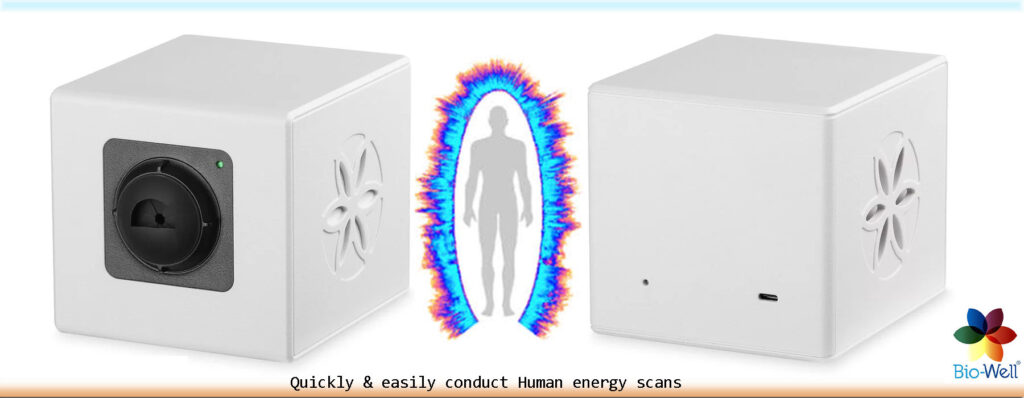
The Bio Well Camera is an innovative device designed to capture and analyze the energy field of an individual. Based on the principles of Gas Discharge Visualization (GDV), the Bio Well Camera employs cutting-edge technology to provide insights into a person’s physical and emotional well-being. Unlike traditional photography, the Bio Well Camera focuses on capturing the bioenergy of a subject, offering a unique perspective on their health and vitality.
The Bio Well Camera utilizes a high-frequency electric field to stimulate the emission of electrons and photons from the subject’s fingertips. These emissions are then captured and processed to create a visual representation of the subject’s energy field. The resulting image is analyzed to identify patterns, which are believed to reflect the individual’s physical, emotional, and spiritual state.
Applications of the Bio Well Camera extend beyond personal wellness. It has found use in various fields, including sports science, where it helps athletes optimize their performance by monitoring their energy levels. In medical research, it provides insights into the effects of treatments and therapies on the human energy field. The Bio Well Camera exemplifies the intersection of technology and metaphysics, offering a glimpse into the unseen world of bioenergy.
Exploring the GDV Camera
The GDV Camera, or Gas Discharge Visualization Camera, is another advanced tool used to capture and analyze energy fields. Developed by Dr. Konstantin Korotkov, the GDV Camera builds on the principles of Kirlian photography, offering a more refined and comprehensive approach to visualizing auras. It captures the bioenergy emitted from fingertips, allowing for detailed analysis of an individual’s energy state.
The GDV Camera works by applying a high-voltage electric field to the subject’s fingertips, causing ionization of the surrounding air and creating a visible glow. This glow is captured by the camera and processed to produce a visual map of the energy field. The GDV Camera’s software analyzes these patterns, providing data on the subject’s physical, emotional, and spiritual well-being.
The versatility of the GDV Camera makes it a valuable tool in various applications. It is used in holistic health practices to assess and monitor energy levels, helping practitioners tailor treatments to individual needs. Researchers utilize it to study the effects of environmental factors, lifestyle changes, and psychological states on the human energy field. The GDV Camera’s ability to bridge the gap between science and spirituality continues to inspire interest and exploration.
How Aura Photography Works
Aura photography operates at the intersection of art, technology, and metaphysics, utilizing specialized equipment to capture the elusive energy fields believed to surround living beings. The process involves a combination of biofeedback sensors, photographic techniques, and digital processing to create a visual representation of the aura. This intricate blend of science and spirituality offers a unique perspective on the unseen energies that influence our lives.
The journey of capturing an aura image begins with the subject placing their hands on sensors that measure physiological parameters such as temperature, skin conductivity, and electromagnetic emissions. These parameters are thought to correlate with the individual’s energy field, providing the data necessary to generate an aura image. The collected information is then processed by sophisticated software, which translates the data into a colorful, visually striking representation of the aura.
While the images produced by aura photography are captivating, interpreting them requires a nuanced understanding of the interplay between colors, patterns, and intensities. Each color in an aura image is believed to correspond to different aspects of the individual’s physical, emotional, and spiritual state. By analyzing these images, practitioners seek to uncover insights into the subject’s well-being, personality, and potential future challenges.
Applications of Aura Photography
Aura photography, with its unique ability to capture and visualize the unseen energy fields surrounding individuals, has found a wide range of applications across various domains. While often associated with metaphysical and spiritual practices, its potential extends into areas such as personal development, health and wellness, and even artistic expression. By providing a visual representation of the aura, this technique offers valuable insights into the intricate interplay between mind, body, and spirit.
In the realm of personal development, aura photography serves as a powerful tool for self-exploration and growth. By analyzing the patterns and colors in an aura image, individuals can gain a deeper understanding of their emotional and spiritual state, identifying areas of strength and potential challenges. This newfound awareness can guide personal transformation, helping individuals cultivate balance and harmony in their lives.
The health and wellness sector also benefits from aura photography, as it offers a non-invasive method for assessing and monitoring energy levels. Practitioners of holistic therapies use aura images to tailor treatments to individual needs, addressing imbalances and promoting well-being. Additionally, aura photography has found its place in creative fields, where artists use it as a medium for exploring the ethereal beauty of the human energy field, creating visually stunning works that capture the imagination.
Common Misconceptions About Aura Photography
Despite its growing popularity, aura photography is often surrounded by misconceptions that can cloud our understanding of this intriguing practice. One common myth is that aura photography captures a literal image of the aura, akin to taking a photograph of a physical object. In reality, the images produced are visual representations derived from physiological data, offering an interpretation rather than a direct depiction of the aura.
Another misconception is that the colors in an aura image are fixed and unchanging, reflecting a permanent state of being. However, auras are believed to be dynamic, influenced by a person’s thoughts, emotions, and surroundings. As a result, the colors and patterns in an aura image can vary over time, providing insights into the fluid nature of an individual’s energy field.
Lastly, some people mistakenly assume that aura photography is purely a spiritual or mystical practice with no scientific basis. While it does draw on metaphysical concepts, aura photography also incorporates scientific principles, such as biofeedback and electromagnetic measurement, to generate its visual representations. By understanding these distinctions, we can appreciate the complexity and potential of aura photography as a tool for exploration and discovery.
How to Interpret Aura Images
Interpreting aura images requires a nuanced understanding of the symbolism and meaning associated with different colors, patterns, and intensities. Each element in an aura image is believed to correspond to specific aspects of the individual’s physical, emotional, and spiritual state. By analyzing these elements, we can gain insights into the subject’s well-being, personality, and potential future challenges.
The colors in an aura image are often seen as indicators of different energy vibrations. For example, red may signify vitality and passion, while blue is associated with calmness and communication. Similarly, green might represent healing and growth, whereas yellow is linked to intellect and creativity. Interpreting these colors requires considering their placement, intensity, and interaction with other hues in the image.
Patterns and shapes within an aura image can also offer valuable insights. Swirling patterns may suggest dynamic energy, while more defined shapes could indicate stability or focus. The intensity of the colors, whether soft or vibrant, can provide additional information about the strength and clarity of the individual’s energy field. By combining these interpretations, we can form a comprehensive understanding of the aura and its implications for the subject’s life.
Conclusion: The Future of Aura Photography
As we conclude our exploration of aura photography, it’s clear that this fascinating practice sits at the crossroads of science, art, and spirituality. With advancements in technology and growing interest in holistic practices, the future of aura photography holds immense potential for innovation and discovery. As we continue to refine our understanding of energy fields, aura photography may offer new insights into the intricate connections between mind, body, and spirit.
The ongoing development of aura photography technology, such as the Bio Well Camera and GDV Camera, promises to enhance our ability to capture and analyze auras with greater precision and detail. These advancements may pave the way for new applications in fields like health and wellness, personal development, and artistic expression, expanding the reach and impact of this unique practice.
As we look to the future, I invite you to explore the world of aura photography for yourself. Whether you’re seeking personal insights, artistic inspiration, or scientific understanding, aura photography offers a compelling window into the unseen energies that shape our lives. By embracing this practice, we can unlock new dimensions of self-awareness and connection, enriching our journey through the ever-evolving landscape of human experience.
Call to Action
Are you curious to see what your aura looks like? Consider visiting an aura photographer or exploring aura photography workshops in your area. By capturing your energy field, you can gain unique insights into your emotional and spiritual state and embark on a transformative journey of self-discovery. Share your experiences with us and join the conversation about the mysteries of aura photography.