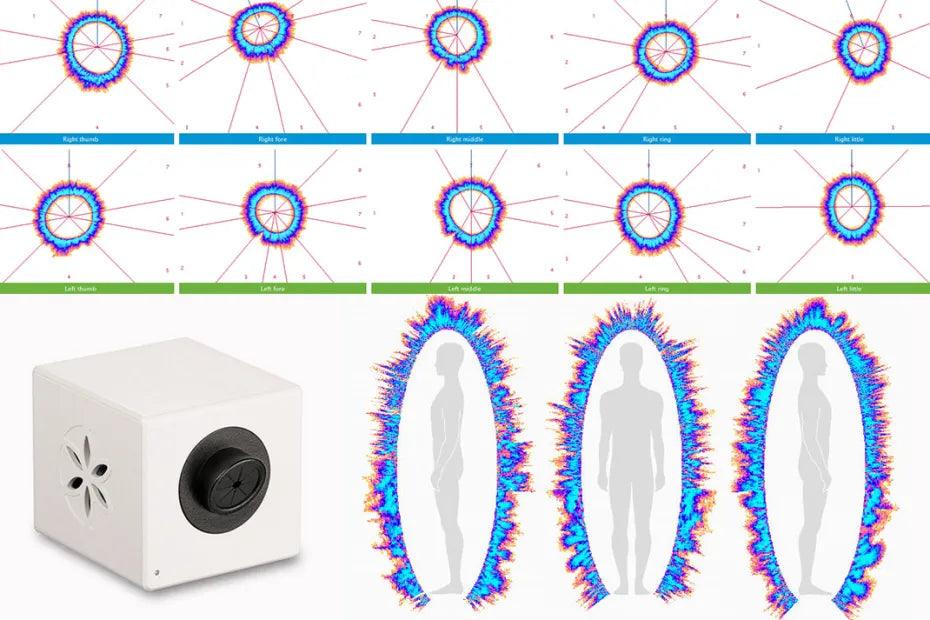
What is GDV Measurement?
As we delve into the world of bioelectrography, it’s essential to start with the foundational question: What is GDV measurement? GDV, or Gas Discharge Visualization, is a cutting-edge technique for capturing the energy fields emitted by living organisms. This measurement method is renowned for its ability to visualize and analyze the bioenergetic fields surrounding the human body, plants, and even inanimate objects. By doing so, it provides insights into the physiological and psychological states of the subject.
GDV measurement is grounded in the principles of electrophotonic imaging, which is the process of capturing the corona discharge emitted from an object placed in a high-frequency electromagnetic field. This method is non-invasive and offers a unique perspective into the energy dynamics that traditional diagnostic tools might overlook. Practitioners and researchers alike find GDV measurement invaluable for its precision in mapping energy patterns and detecting potential imbalances.
The applications of GDV measurement extend beyond mere visualization. It is employed in various fields, including medicine, psychology, and even sports science, to provide a comprehensive understanding of an individual’s health and well-being. By analyzing these visualizations, experts can make informed decisions regarding treatment or lifestyle adjustments, ultimately leading to enhanced personal and professional development.
The Science Behind GDV Measurement
The science behind GDV measurement is both fascinating and complex. It is rooted in the principles of Kirlian photography, which captures the energy fields emitted by objects under specific conditions. In GDV, this concept is expanded by using a specialized GDV Device to create detailed and accurate representations of these fields.
The process begins by placing the subject of study on a glass electrode connected to the GDV Device. When a high-frequency, low-intensity electrical field is applied, electrons are emitted from the surface of the object. These electrons collide with surrounding air molecules, causing a gas discharge that is captured as a visual representation of the subject’s energy field. This image is then analyzed to determine the distribution and intensity of the energy emissions.
GDV measurement relies on advanced algorithms to interpret the captured data. These algorithms consider various factors, such as the color, brightness, and structure of the discharge patterns, to provide a detailed analysis of the subject’s bioenergetic state. This data can then be correlated with physiological and psychological parameters, offering a comprehensive view of the individual’s health and well-being.
How Does a GDV Device Work?
A GDV Device is the cornerstone of the GDV measurement process. It is a sophisticated piece of technology specifically designed to capture and analyze the energy fields emitted by living beings and objects. The device consists of several critical components that work in unison to produce accurate and reliable results.
The primary component of a GDV Device is the glass electrode, which serves as the platform for the subject being measured. This electrode is connected to a high-frequency generator that produces the requisite electrical field. When the subject is placed on the electrode, the electrical field induces a gas discharge, which is captured by a specialized camera within the device.
The GDV Camera is another essential part of the device, responsible for capturing the visual representation of the gas discharge. It is designed to operate in low-light conditions, allowing it to capture the faint emissions produced during the measurement process. The captured images are then processed by the device’s software, which analyzes the data and generates a detailed report of the subject’s energy field.
In summary, a GDV Device is a highly specialized tool that combines advanced technology and sophisticated algorithms to provide a comprehensive analysis of bioenergetic fields. Its ability to capture and interpret these fields makes it an invaluable resource for researchers, practitioners, and individuals seeking to enhance their understanding of health and well-being.
The Role of the GDV Camera in Measurement
The GDV Camera plays a pivotal role in the GDV measurement process. It is specifically engineered to capture the intricate details of the gas discharge that occurs when the subject is exposed to a high-frequency electromagnetic field. This specialized camera is essential for producing high-quality images that accurately represent the subject’s energy field.
One of the key features of the GDV Camera is its sensitivity to low-light conditions. The gas discharge emitted during the measurement process is often faint and requires a camera capable of capturing subtle variations in light and color. This sensitivity allows the GDV Camera to produce detailed images that reveal the structure and intensity of the energy field surrounding the subject.
The GDV Camera is also equipped with advanced imaging software that processes the captured images and extracts valuable data. This software analyzes various aspects of the image, such as color distribution, brightness, and pattern complexity, to generate a comprehensive report of the subject’s bioenergetic state. The insights gained from this analysis can be used to identify potential health issues, monitor progress, and make informed decisions about treatment or lifestyle changes.
In conclusion, the GDV Camera is an indispensable component of the GDV measurement process. Its ability to capture and analyze the intricate details of energy fields makes it a valuable tool for researchers and practitioners seeking to understand the complex interplay between energy and health.
Applications of GDV Measurement in Various Fields
GDV measurement has found applications in a wide array of fields, each benefiting from its unique ability to visualize and analyze bioenergetic fields. In the realm of medicine, GDV measurement is used to complement traditional diagnostic methods by providing additional insights into a patient’s energy dynamics. This information can be crucial for identifying imbalances or blockages that may contribute to health issues.
In psychology, GDV measurement is employed to assess an individual’s emotional and mental state. The visual representation of energy fields can provide valuable information about stress levels, emotional well-being, and overall mental health. This data can be used by psychologists and therapists to develop personalized treatment plans and monitor progress over time.
Beyond healthcare, GDV measurement is also gaining traction in the field of sports science. Athletes and coaches use GDV data to optimize performance and prevent injuries. By analyzing energy fields, they can identify areas of tension or imbalance that may impact physical performance. This information allows for targeted interventions and training adjustments, ultimately leading to improved athletic outcomes.
The diverse applications of GDV measurement underscore its versatility and potential impact across various domains. By providing a deeper understanding of energy dynamics, GDV measurement is transforming the way we approach health, wellness, and performance.
Benefits of Using GDV Measurement Technology
There are numerous benefits to using GDV measurement technology, making it an attractive option for individuals and professionals alike. One of the most significant advantages is its non-invasive nature. Unlike many traditional diagnostic methods, GDV measurement does not require any invasive procedures or physical contact, making it a comfortable and stress-free experience for the subject.
Another key benefit is the holistic perspective that GDV measurement provides. By visualizing and analyzing energy fields, this technology offers insights into the complex interplay between physical, emotional, and mental health. This comprehensive view allows for more informed decision-making and tailored interventions that address the root causes of health issues rather than just their symptoms.
GDV measurement technology also offers rapid results and real-time monitoring capabilities. The data captured by the GDV Device can be processed and analyzed quickly, providing immediate feedback that can be used to make timely adjustments to treatment plans or lifestyle choices. This responsiveness is particularly valuable in dynamic environments, such as sports or high-stress situations, where quick decision-making is essential.
In summary, GDV measurement technology offers a range of benefits that enhance its appeal as a diagnostic and monitoring tool. Its non-invasive nature, holistic perspective, and rapid feedback capabilities make it a valuable resource for those seeking to improve their health and well-being.
GDV Measurement vs. Traditional Measurement Methods
When comparing GDV measurement to traditional diagnostic methods, several differences and advantages come to light. Traditional methods often rely on physical examinations, laboratory tests, and imaging techniques to assess an individual’s health. While these methods provide valuable information, they may not capture the full spectrum of bioenergetic dynamics that influence well-being.
GDV measurement, on the other hand, focuses on visualizing and analyzing energy fields, offering a unique perspective on health and wellness. This approach allows for the detection of imbalances or blockages that may not be evident through traditional methods. By providing a comprehensive view of energy dynamics, GDV measurement can complement and enhance traditional diagnostic tools.
Another key difference is the non-invasive nature of GDV measurement. Traditional methods may involve invasive procedures or require physical contact, which can be uncomfortable or stressful for some individuals. In contrast, GDV measurement is a painless and stress-free process, making it an ideal choice for those seeking a comfortable diagnostic experience.
In conclusion, GDV measurement offers a valuable complement to traditional diagnostic methods. By providing a unique perspective on bioenergetic fields, it enhances our understanding of health and well-being, paving the way for more informed decision-making and personalized interventions.
Understanding the Data: Interpreting GDV Results
Interpreting GDV results is a critical step in the measurement process, as it allows practitioners and individuals to gain valuable insights into the subject’s bioenergetic state. The data captured by the GDV Device is analyzed using advanced algorithms that consider various aspects of the energy field, such as color, brightness, and pattern complexity.
One of the primary indicators analyzed in GDV results is the distribution of energy emissions. An even distribution suggests a balanced and harmonious energy field, while irregular patterns may indicate imbalances or blockages. These imbalances can be linked to specific physiological or psychological conditions, providing valuable information for diagnosis and treatment planning.
Another important aspect of GDV analysis is the interpretation of color variations within the energy field. Different colors are associated with specific emotional or mental states, allowing practitioners to assess the subject’s psychological well-being. For example, a predominance of warm colors may indicate heightened emotional activity, while cooler colors may suggest a calmer mental state.
In summary, interpreting GDV results requires a comprehensive understanding of the complex interplay between energy fields and health. By analyzing various indicators, practitioners can gain valuable insights into the subject’s bioenergetic state, enabling informed decision-making and tailored interventions.
Innovations and Advancements in GDV Technology
The field of GDV technology is constantly evolving, with new innovations and advancements enhancing its capabilities and expanding its applications. One of the most exciting developments is the integration of artificial intelligence and machine learning into GDV analysis. These technologies enable more accurate and sophisticated interpretation of energy fields, providing deeper insights into bioenergetic dynamics.
Another significant advancement is the miniaturization of GDV Devices, making them more accessible and portable. This development has opened up new possibilities for on-the-go measurements and real-time monitoring in various environments, such as sports arenas, workplaces, and even remote locations. The increased portability of GDV Devices allows for greater flexibility and convenience in conducting measurements.
Furthermore, advancements in imaging technology have led to the development of high-resolution GDV Cameras, capable of capturing even the most subtle variations in energy emissions. These cameras provide more detailed and accurate visualizations of energy fields, enhancing the depth and quality of GDV analysis.
In conclusion, the innovations and advancements in GDV technology are driving its growth and expanding its potential impact across various fields. By harnessing the power of cutting-edge technology, GDV measurement is poised to play an increasingly important role in the future of health and wellness.
Conclusion: The Future of GDV Measurement
As we look to the future, the potential for GDV measurement technology to transform our understanding of health and wellness is immense. With its unique ability to visualize and analyze bioenergetic fields, GDV measurement offers a fresh perspective on the complex interplay between physical, emotional, and mental health.
The ongoing advancements in GDV technology, including the integration of artificial intelligence and the development of portable devices, are set to enhance its capabilities and expand its applications. As more individuals and professionals recognize the value of GDV measurement, its adoption is likely to increase, leading to a broader understanding of energy dynamics and their impact on well-being.
For those interested in exploring the potential of GDV measurement, now is the time to take action. Whether you’re a healthcare professional seeking to enhance your diagnostic toolkit or an individual looking to gain deeper insights into your health, GDV measurement offers a valuable resource for achieving your goals.
If you’re curious about how GDV measurement can benefit you or your practice, I encourage you to explore this innovative technology further. By embracing GDV measurement, we can unlock new possibilities for improving health, enhancing performance, and enriching our understanding of the human experience.