Introduction to GDV Images
In recent years, advancements in imaging technology have revolutionized how we perceive and analyze the human body. One such innovative method is GDV imaging, which stands for Gas Discharge Visualization. This non-invasive technique captures the energy fields surrounding an object, primarily living organisms, offering insights into the subtle energy changes and health status. As we delve into the world of GDV images, it’s crucial to understand their significance and the underlying principles that make them a powerful tool in both scientific research and holistic health practices.
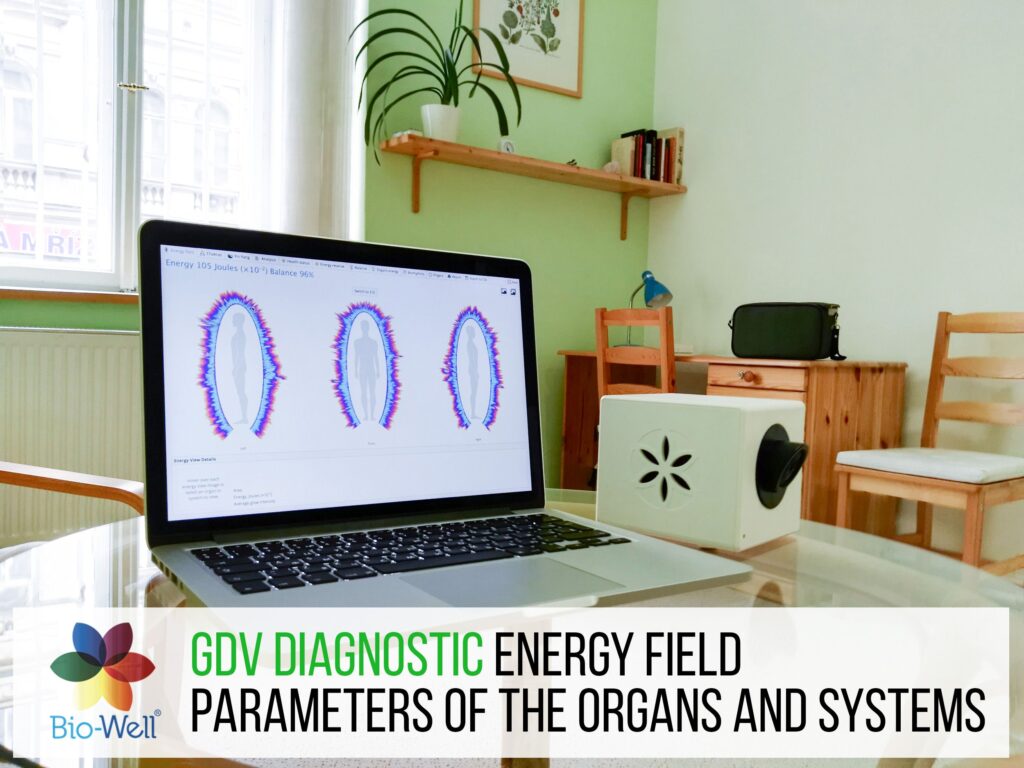
GDV imaging, often associated with the Bio Well Camera, is gaining traction among health professionals and researchers for its ability to visualize and interpret biofields. This technique stems from the concept of capturing the corona discharge phenomenon, which occurs when a subject is exposed to a high-intensity electromagnetic field. By analyzing the patterns and intensity of the emitted light, GDV images provide a visual representation of the subject’s energetic state, offering a unique perspective on health and well-being.
In this article, we will explore the intricacies of GDV images, discussing how they function, the science behind their operation, and their various applications. By the end, you will have a comprehensive understanding of GDV images and their potential to transform the way we approach health and wellness.
What are GDV Images?
GDV images, or Gas Discharge Visualization images, are a form of bio-electrographic imaging that captures the energy fields surrounding living organisms. This process involves the use of a special device, often the Bio Well Camera, to visualize the corona discharge effect. When a subject is placed in a high-voltage, low-current electrical field, it emits a burst of energy that is captured and translated into colorful images, providing a representation of the subject’s biofield.
The primary purpose of GDV images is to offer insights into the physiological and energetic states of a subject. By examining these images, practitioners can detect subtle changes in energy patterns, which may indicate shifts in health or psychological states. This makes GDV imaging a valuable tool in preventative health care, as it allows for early detection of potential imbalances before they manifest as physical symptoms.
GDV images are not limited to human subjects; they can also be applied to plants, animals, and inanimate objects. This versatility makes them a fascinating area of study in various fields, including biology, psychology, and even environmental science. By understanding what GDV images are and how they work, we can appreciate their potential to provide deeper insights into the interconnectedness of all living things.
How Do GDV Images Work?
The process of capturing GDV images involves several steps that combine physics, technology, and biology. At the core of this process is the generation of a corona discharge, a phenomenon that occurs when an object is exposed to a strong electric field. This discharge emits light, which is captured by the GDV device and converted into digital images.
- Setup: The subject, whether a person or object, is placed on a glass electrode connected to the GDV device. This electrode generates a high-voltage, low-current electric field around the subject.
- Emission: The subject’s energy field interacts with the electric field, causing a corona discharge. This results in the emission of photons, which are captured by the device’s sensors.
- Imaging: The emitted light is then processed by specialized software, which translates it into digital images. These images display the energy distribution around the subject, highlighting areas of strength or imbalance.
The resulting GDV images are analyzed for patterns, intensity, and color variations, providing a visual representation of the subject’s biofield. These images can reveal a wealth of information, from stress levels to potential health issues, making them a powerful diagnostic tool.
The Science Behind GDV Imaging
The science behind GDV imaging is rooted in biophotonics and electrophotonic imaging. Biophotonics is the study of light produced by living organisms, while electrophotonic imaging focuses on capturing the electromagnetic fields emitted by these organisms. GDV technology combines these principles to provide a comprehensive view of the biofield, offering insights that extend beyond conventional imaging techniques.
At the heart of GDV imaging is the Kirlian effect, named after Russian scientist Semyon Kirlian, who discovered the phenomenon in the 1930s. Kirlian photography, the precursor to GDV imaging, involved capturing the corona discharge around an object using photographic film. Modern GDV devices have since evolved, utilizing digital technology to enhance the accuracy and resolution of the images.
The interpretation of GDV images relies on understanding the correlation between energy patterns and physiological states. Researchers have found that changes in the biofield often precede physical symptoms, making GDV imaging a valuable tool for early detection and intervention. By analyzing the images, practitioners can identify potential health risks, monitor stress levels, and track the effectiveness of treatments or lifestyle changes.
Applications of GDV Images
GDV images have a wide range of applications across various fields, making them a versatile tool for research and practice. One of the primary areas where GDV imaging is utilized is in the field of health and wellness. Practitioners use GDV images to monitor patients’ energy fields, identify stressors, and develop personalized treatment plans. This holistic approach allows for early intervention and prevention, promoting overall well-being.
In addition to health applications, GDV images are used in scientific research to study the energetic properties of plants, animals, and even non-living materials. Researchers can explore the impact of environmental factors on living organisms by analyzing changes in the biofield. This can provide valuable insights into ecological interactions and the effects of pollution or other stressors on ecosystems.
Another intriguing application of GDV imaging is in the field of psychology. By examining the biofield, psychologists can gain a deeper understanding of emotional and mental states. GDV images can reveal the energetic impact of emotions, stress, and trauma, offering a unique perspective on mental health and personal development.
Benefits of Using GDV Images from Bio Well Camera
The Bio Well Camera, a popular device for capturing GDV images, offers several benefits that enhance the accuracy and usability of this imaging technique. One of the key advantages is its non-invasive nature, allowing practitioners to assess a subject’s biofield without any discomfort or risk. This makes it an ideal tool for regular health monitoring and preventative care.
Another benefit of using the Bio Well Camera is its ability to provide real-time feedback. This feature is valuable for practitioners and patients, as it allows for immediate analysis and interpretation of the biofield. By observing changes in the energy field during a session, practitioners can adjust treatments or interventions to optimize outcomes.
The Bio Well Camera is also equipped with advanced software that enhances image quality and provides detailed analysis. This software includes various tools for interpreting GDV images, such as the ability to compare images over time, identify patterns, and generate reports. These capabilities make the Bio Well Camera a powerful tool for both clinical practice and research.
How to Interpret GDV Images
Interpreting GDV images requires a combination of technical knowledge and intuitive understanding. The images themselves consist of various patterns, colors, and intensities, each representing different aspects of the subject’s biofield. By analyzing these elements, practitioners can gain insights into the subject’s physiological and energetic states.
- Color Analysis: Different colors in GDV images correspond to various energetic frequencies. For example, blue hues may indicate calmness and balance, while red or orange tones could signify stress or inflammation.
- Pattern Recognition: The distribution of energy patterns can reveal information about the subject’s health. Symmetrical patterns often indicate balance and harmony, whereas irregularities may suggest potential imbalances or blockages.
- Intensity Measurement: The brightness and intensity of the images can provide clues about the vitality and energy flow within the subject. Higher intensity areas may indicate areas of focus or tension, requiring further investigation.
Understanding how to interpret GDV images is crucial for practitioners to provide accurate assessments and effective interventions. With practice and experience, the ability to read these images can become a valuable skill in promoting health and wellness.
GDV Images in Health and Wellness
The integration of GDV images into health and wellness practices offers a holistic approach to understanding and improving well-being. By visualizing the biofield, practitioners can gain insights into the root causes of health issues and develop personalized treatment plans that address both physical and energetic factors.
One of the primary uses of GDV images in health and wellness is stress management. By monitoring changes in the biofield, practitioners can identify stressors and develop strategies to mitigate their impact. This proactive approach can help prevent stress-related illnesses and promote overall resilience.
GDV images are also used to support complementary therapies, such as acupuncture, reiki, and herbal medicine. By visualizing the effects of these treatments on the biofield, practitioners can assess their efficacy and make informed decisions about the best course of action. This integration of GDV imaging into holistic health practices enhances the ability to provide comprehensive and personalized care.
Comparing GDV Images with Other Imaging Techniques
While GDV imaging offers unique insights into the biofield, it’s essential to compare it with other imaging techniques to understand its advantages and limitations. Traditional methods like MRI, CT scans, and x-rays focus on structural and anatomical aspects of the body, providing detailed images of organs and tissues. In contrast, GDV imaging focuses on the energetic and subtle aspects, offering a complementary perspective.
One of the main advantages of GDV imaging is its ability to detect energetic imbalances before they manifest as physical symptoms. This preventative approach can be invaluable in promoting health and preventing disease. However, GDV images should not replace conventional diagnostic methods but rather serve as an additional tool for comprehensive assessment.
Another distinction is the non-invasive nature of GDV imaging, which poses no risk or discomfort to the subject. This makes it suitable for regular monitoring and preventative care. In contrast, some conventional imaging techniques involve exposure to radiation or require invasive procedures, limiting their frequency of use.
Conclusion: The Future of GDV Imaging
As we look to the future, GDV imaging holds promising potential for transforming our understanding of health and wellness. With advancements in technology and research, we can expect further refinement of GDV devices and techniques, enhancing their accuracy and applicability. This evolution will likely lead to broader acceptance and integration of GDV imaging into mainstream healthcare practices.
The future of GDV imaging also includes expanding its applications beyond health and wellness. As researchers continue to explore the energetic properties of various subjects, GDV images can contribute to a deeper understanding of ecological interactions, psychological states, and even consciousness itself. This interdisciplinary approach will enrich our knowledge and open new avenues for exploration.
As we embrace the potential of GDV images, it’s essential to approach this technology with an open mind and a commitment to scientific inquiry. By combining the insights of GDV imaging with conventional methods, we can create a more comprehensive and holistic approach to health and well-being. If you’re interested in learning more about GDV images or exploring their applications, I encourage you to reach out to practitioners or researchers in your area. Curious about how GDV imaging can enhance your health journey? Contact a certified practitioner today to explore your biofield and discover the benefits of this revolutionary technology. Your path to holistic well-being starts with understanding your energy field.
