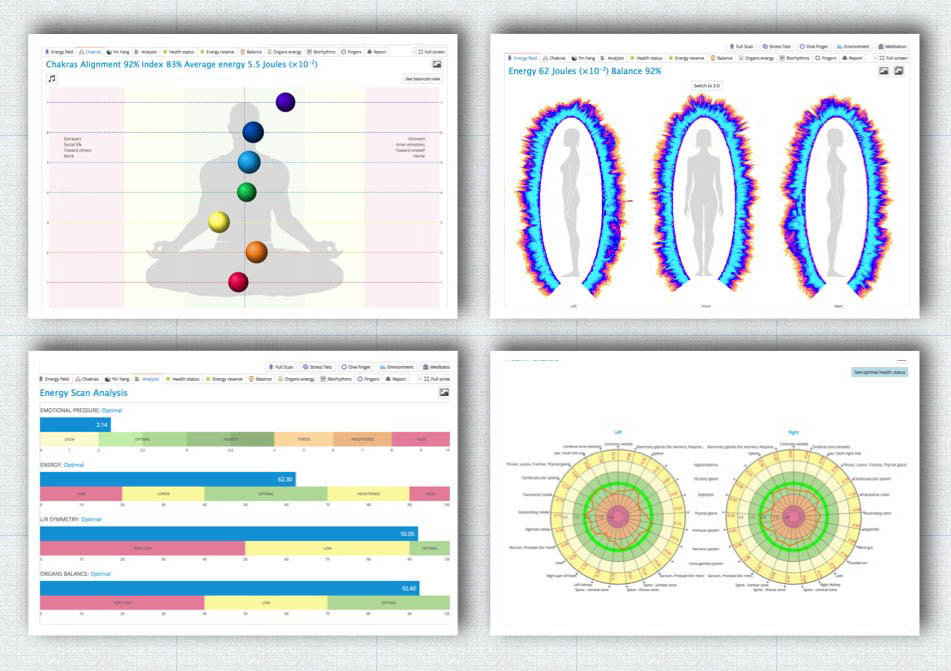
What is GDV Measurement?
When exploring the world of bioenergetics and holistic health, you may encounter the term GDV measurement. GDV, or Gas Discharge Visualization, is a groundbreaking method that captures the energy fields of living organisms. This technique is primarily used to visualize the energy emitted by human beings, offering insights into their physical, emotional, and spiritual well-being.
At its core, GDV measurement seeks to visualize the aura or biofield around the body. By using a specialized device, this method captures the subtle energy emissions, providing a visual representation of one’s energetic state. This data can be invaluable for both personal health assessments and scientific studies, offering a unique perspective on how energy correlates with overall health.
The primary goal of GDV measurement is to bridge the gap between conventional medicine and alternative therapies. By providing a tangible representation of energy fields, GDV helps in understanding how these fields influence health and wellness. This comprehensive guide will delve into the science, applications, and future of GDV measurement, offering a detailed exploration of this fascinating field.
The Science Behind GDV Measurement
The science of GDV measurement is deeply rooted in the principles of electrophotonics. When an organism is exposed to a high-intensity electrical field, it emits a burst of photons or light, known as the corona discharge. This phenomenon forms the basis of GDV technology, allowing us to visualize and analyze the energy fields around living beings.
The GDV technique employs a sophisticated process to capture these emissions. It uses a combination of electronic and optical systems to record the electrical activity surrounding the subject. The resulting images are known as GDV-grams, which represent the energy field’s structure and intensity, providing a comprehensive overview of the subject’s energetic state.
Researchers have found that these energy emissions can reveal a wealth of information about an individual’s physical and emotional health. By analyzing the GDV-grams, scientists can identify patterns that may correlate with specific health conditions. This scientific approach has led to a deeper understanding of how energy affects the human body, paving the way for innovative health assessments and interventions.
How the Bio Well GDV Camera Works
The Bio Well GDV Camera is an advanced device designed to capture and analyze GDV measurements. This camera utilizes cutting-edge technology to create a detailed visual representation of the energy fields surrounding a subject. By employing a high-intensity electric field, the Bio Well GDV Camera stimulates the emission of photons, which are then recorded and analyzed.
Operating the Bio Well GDV Camera is a straightforward process. The subject places their fingers on a specialized sensor, which generates the necessary electrical field. As the photons are emitted, the camera captures the resulting corona discharge, creating a GDV-gram that reflects the subject’s energetic state. This data is then processed to provide insights into the individual’s health and well-being.
One of the key advantages of the Bio Well GDV Camera is its ability to offer real-time feedback. This feature allows practitioners to monitor changes in the energy field as they occur, providing immediate insights into the effectiveness of various treatments or interventions. Additionally, the Bio Well GDV Camera’s non-invasive nature makes it an attractive option for both practitioners and patients seeking holistic health assessments.
Applications of GDV Measurement
GDV measurement has found a wide range of applications across various fields, thanks to its ability to provide unique insights into an individual’s energetic and physical state. In the realm of healthcare, GDV is used to assess the overall health and vitality of patients, offering a complementary perspective to traditional diagnostic methods.
In research, GDV measurement plays a crucial role in studying the effects of various interventions on the human energy field. This includes exploring the impacts of meditation, yoga, and other mind-body practices. By visualizing changes in the biofield, researchers can gain a deeper understanding of how these practices influence health and wellness.
Beyond health and research, GDV measurement is also used in fields such as sports science and personal development. Athletes utilize GDV to optimize performance by monitoring their energetic balance, while individuals seeking personal growth use it to gain insights into their emotional and spiritual well-being. The versatility of GDV measurement makes it a valuable tool in numerous disciplines.
Benefits of Using GDV Measurement
The benefits of using GDV measurement extend beyond its ability to visualize energy fields. One of the most significant advantages is its non-invasive nature. Unlike traditional diagnostic methods that may require invasive procedures, GDV offers a painless and stress-free way to assess health and well-being.
GDV measurement also provides a holistic view of health, considering not only the physical but also the emotional and spiritual aspects of well-being. This comprehensive perspective allows practitioners to develop more personalized and effective treatment plans, addressing the root causes of health issues rather than just the symptoms.
Another significant benefit is the ability to track changes over time. By regularly monitoring the biofield, individuals and practitioners can observe how lifestyle changes, treatments, or interventions affect the energy field. This real-time feedback is invaluable for making informed decisions about health and wellness strategies, ensuring optimal outcomes for patients and clients.
Differences Between GDV Measurement and Traditional Methods
While GDV measurement offers a unique perspective on health, it is essential to understand how it differs from traditional diagnostic methods. Conventional medical diagnostics often focus on identifying physical symptoms and abnormalities through tests, scans, and examinations. In contrast, GDV measurement assesses the energetic state of the individual, providing a more holistic view of their well-being.
Another notable difference is the non-invasive nature of GDV measurement. Traditional methods may involve procedures that can be uncomfortable or stressful for patients, whereas GDV offers a painless alternative. This makes it an attractive option for individuals seeking to avoid invasive diagnostics.
However, it’s important to note that GDV measurement should not replace conventional medical assessments. Instead, it serves as a complementary tool, providing additional insights that can enhance the overall understanding of a patient’s health. By integrating GDV measurement with traditional methods, practitioners can develop more comprehensive and effective treatment plans.
Interpreting GDV Measurement Results
Interpreting GDV measurement results requires a thorough understanding of the energy field and its various components. GDV-grams provide a visual representation of the biofield, highlighting areas of energy concentration and dispersion. By analyzing these patterns, practitioners can gain insights into the individual’s physical, emotional, and spiritual health.
When reviewing GDV measurement results, practitioners often look for specific indicators that may suggest imbalances or disruptions in the energy field. These may include irregularities in the corona discharge, asymmetries in the energy patterns, or variations in intensity. Each of these indicators can provide valuable information about potential health concerns.
It’s essential for practitioners to combine GDV measurement results with other diagnostic tools and clinical insights. By taking a holistic approach to interpretation, practitioners can develop a more comprehensive understanding of the individual’s health, leading to more effective and personalized treatment strategies.
GDV Measurement in Different Fields: Health, Research, and Beyond
In the field of health, GDV measurement is used to assess overall vitality and identify potential imbalances. Practitioners integrate GDV data with traditional diagnostics to provide a more complete picture of a patient’s health, allowing for more personalized treatment plans that address the root causes of health issues.
In research, GDV measurement is employed to study the effects of various interventions on the human energy field. This includes exploring the impacts of therapies, practices, and lifestyle changes. By visualizing changes in the biofield, researchers gain valuable insights into how these factors influence health and well-being.
Beyond health and research, GDV measurement is also utilized in areas such as sports science, personal development, and education. Athletes use GDV to optimize performance by monitoring their energetic balance, while individuals seeking personal growth use it to gain insights into their emotional and spiritual states. The versatility of GDV measurement makes it a valuable tool in numerous disciplines.
Future Trends in GDV Measurement Technology
As technology continues to evolve, so does the field of GDV measurement. Future trends in this technology are expected to enhance the accuracy, accessibility, and applications of GDV measurement. One of the most promising developments is the integration of artificial intelligence and machine learning, which can improve the analysis and interpretation of GDV data.
Advancements in sensor technology and data processing capabilities are also likely to enhance GDV measurement’s precision and reliability. These improvements will make GDV measurement more accessible to practitioners and individuals, broadening its potential applications across various fields.
Furthermore, the growing interest in holistic health and wellness is expected to drive the demand for GDV measurement technology. As more people seek alternative approaches to health and well-being, GDV measurement will continue to play a significant role in providing valuable insights into the complex interplay of energy and health.
Conclusion
GDV measurement is a fascinating and innovative tool that offers unique insights into the energetic aspects of health and well-being. By visualizing the biofield, GDV provides a holistic perspective that complements traditional diagnostics, allowing for more personalized and effective treatment strategies.
As we continue to explore the potential of GDV measurement, it is essential to recognize its role as a complementary tool rather than a replacement for conventional medical assessments. By integrating GDV measurement with traditional methods, practitioners can develop a more comprehensive understanding of health, ultimately leading to better outcomes for patients and clients.
If you’re interested in exploring the benefits of GDV measurement for yourself or your practice, consider investing in a Bio Well GDV Camera. This advanced device offers a non-invasive and insightful way to assess and monitor your energetic state, providing valuable feedback on your journey to optimal health and wellness.